

From Zero to Cited, Part 8: Competitor Intel, Comparison Pages, and Distribution
How to build authority without backlinks using competitor analysis tools, a real comparison page strategy, and Reddit marketing for SEO that works.

Dana Willow
Senior Marketer sharing 15 years of marketing wisdom through an AI lens.
Published on September 21, 2026
Updated on September 22, 2026
Confession time. For a long stretch I thought "authority" meant collecting links like baseball cards: enough of them, from big enough sites, and Google hands you the crown. That's a misunderstanding of how it works, and it never really was the case, if we're honest.
This is Part 8 of 10 in the series, and if you've been here since Part 1 you know the drill: no link buying, no cold outreach clogging some stranger's inbox at 2am. Today we're covering the two moves that actually shift things when you're a business trying to earn authority the honest way: knowing your competitors cold, and showing up where your people already hang out.
What "Building Authority" Actually Means Here
This gets muddy fast. Authority, in this course, isn't a score. It's a behavior: people pointing at your stuff because it answered their question better than the next option did.
That's the whole thing. Two paths get you there. One, you build things worth pointing to: comparison pages, free tools, guides that actually explain something instead of circling it. Two, you show up in the rooms where your people are already asking questions: a subreddit, a community Slack, a LinkedIn thread that spiraled into something useful in the comments.
Neither path involves handing someone $200 for a mention on a site nobody's heard of. That game is fading fast, and Google's own spam guidance has gotten a lot more direct about penalizing manipulative link schemes over the last few update cycles (Google Search Central's spam policies lay it out plainly, no reading between the lines). Building authority without chasing links comes down to making things people cite because they're useful, not because money changed hands.
Know Your Competitor Before You Try to Out-Rank Them
Here's a mistake I see constantly. Bike repair shop, family law office, small cybersecurity outfit, doesn't matter the field, someone writes comparison content before they've actually sat down and studied who they're comparing themselves to. They guess. They skim a competitor's homepage for five minutes and call it research. Then they publish an "Us vs. Them" page built on vibes.
That's a fast way to publish something wrong, and wrong comparison pages get called out publicly. Reddit especially loves tearing these apart in the comments, and once that happens the trust doesn't come back easy.
This is where actually looking earns its keep. In PostKing, the workflow goes like this.
Add
Drop in the competitor's domain. PostKing pulls the basics: site structure, published content, where they're putting it out.
Probe
This is the deeper pass. PostKing crawls their pricing pages, blog posts, and feature list, then flags what they lean on versus what they'd rather you not notice. If a competitor hides pricing behind a "contact sales" wall, that tells you something real about who they're chasing.
Classify
Not every competitor deserves the same energy. PostKing sorts them by type: direct competitor, adjacent tool, aspirational brand you're not actually fighting for the same customer yet. This matters, because your comparison angle changes depending on which bucket someone lands in.
Overview
You get a readable summary: strengths, gaps, pricing tiers, the positioning language they lean on most. Skimmable over a cup of tea, not a forty-tab research binge that eats your afternoon.
Comparison
PostKing lines your business up against theirs, feature by feature, pulling the actual claims straight from their own site instead of guessing. This is your raw material for the next part.
Running this on one competitor takes maybe twenty minutes once you've got the hang of it. Compare that to the old way: screenshotting pricing pages, fifteen tabs open, losing your place halfway through. It's genuinely not close.
Turn the Profile Into a Comparison Page Strategy That Works
Now you've got real material. Time to write the page.
A good comparison page doesn't claim to win at everything. Nobody buys that, and readers spot it by the second sentence. The pages that get cited, shared, and linked from forums are the ones that admit where the other guy wins.
Maybe a competing clinic has a slicker booking app, but you get patients seen same-day instead of making them wait three weeks. Say that, plainly, on the page. People trust specifics over cheerleading, and search engines increasingly reward pages that actually answer the comparison someone typed in, not pages stuffed with keywords and nothing else.
A structure that's worked for me, over and over:
- A short intro naming both businesses outright, no "Competitor X" dancing
- A feature or service table pulled straight from your comparison research
- A pricing section with real numbers where you can get them, not vague "starting at" language
- An honest "who should pick the other one" section
That last bullet feels backwards at first. It's also the one that gets these pages cited in Reddit threads and "best options for X" roundups, because it reads like someone who actually knows the space wrote it, not someone trying to win an argument.
Free Tools as the Asset Other People Point To
Comparison pages work because they answer one specific question. Free tools work for a completely different reason: they solve a problem before anyone's even decided to buy from you.
A simple calculator, a quick checker, a template someone can grab and go, whatever fits your world. A yoga studio might build a stretching routine generator. A cybersecurity shop might build a basic password-strength or breach checker. These get bookmarked, dropped into group chats, and linked from "useful stuff" pages that would never link to a straight sales pitch. HubSpot's free tools are the textbook example (their Website Grader has been cited across marketing blogs for years, precisely because it gives something away before asking for anything back).
You don't need a huge build. One tool that does a single thing well beats a sprawling feature nobody outside your own team asked for.
Getting the Work in Front of People: Social and Reddit Distribution
You wrote the comparison page. You built the free tool. Now what? Content sitting quietly on your blog with zero traffic is just sitting there.
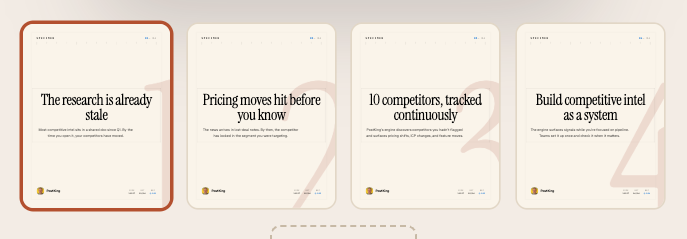
Here's the hands-on part. In PostKing, you take that same article and repurpose it into posts built for each platform, not the same block of text pasted three times. A LinkedIn version that leads with your honest "who should pick the other one" angle. A shorter thread breaking down three things you found during the competitor probe. Schedule them out so they're not all landing the same afternoon and drowning each other.
Then there's Reddit, and it deserves its own paragraph because it's a completely different game than LinkedIn. Slow down before you post here. This platform rewards patience.
PostKing helps you find subreddits that actually fit your world, not just the obvious ones with a million subscribers and zero relevance to a family law office or a bike shop. It'll suggest angles too (a question tends to land better than a link drop), then rewrite your article in Reddit's own register: less polished, more "here's what I found," fewer marketing words doing the talking.
Reddit's own community guidelines are blunt about this. Content that reads like an ad gets removed, people downvote self-promotion fast, and most subreddit wikis spell this out plainly for anyone who bothers reading them before hitting post.
Do's and Don'ts
A short list, because this part matters more than any tool:
Don't drop the same link into ten subreddits in one afternoon. Moderators notice, and the spam filters catch pattern-posting fast.
Don't build your comparison page on invented claims about someone else's pricing or features. If you're not sure, look again before you publish. Getting called out publicly for a wrong claim costs you more trust than the page will ever earn back.
Do show up in the comments after you post. A comparison page or Reddit thread that gets a thoughtful reply from the actual person behind it builds more trust than the post itself ever could.
Do update your comparison pages when the other side changes pricing or features. Stale comparisons age badly, and fast.
Wrapping Up Part 8
Building authority without chasing links comes down to two habits. Know who you're up against using real data instead of guesses, and show up in the places your people already trust. Comparison pages built on honest research, free tools that solve something real, distribution that respects the platform you're posting on: that's the whole playbook.
Just work that earns the mention on its own. Part 9 picks up with how to actually measure whether any of this is moving your rankings, so stick around for that.
From Zero to Cited · Part 8 of 10 · Course overview
- ← Previous: Part 7: Getting Cited by AI Search
- Next: Part 9: Maintaining Your Rankings →
About Dana Willow
Author
Senior Marketer sharing 15 years of marketing wisdom through an AI lens. Teaching founders to automate smarter.