Social Media Marketing for Small Business: A Practical Plan You Can Run Without a Team
Get a practical social media marketing for small business plan: pick the right platforms, post consistently, and measure real sales impact without a team.

Dana Willow
Senior Marketer sharing 15 years of marketing wisdom through an AI lens.
Published on October 8, 2026
Updated on October 9, 2026

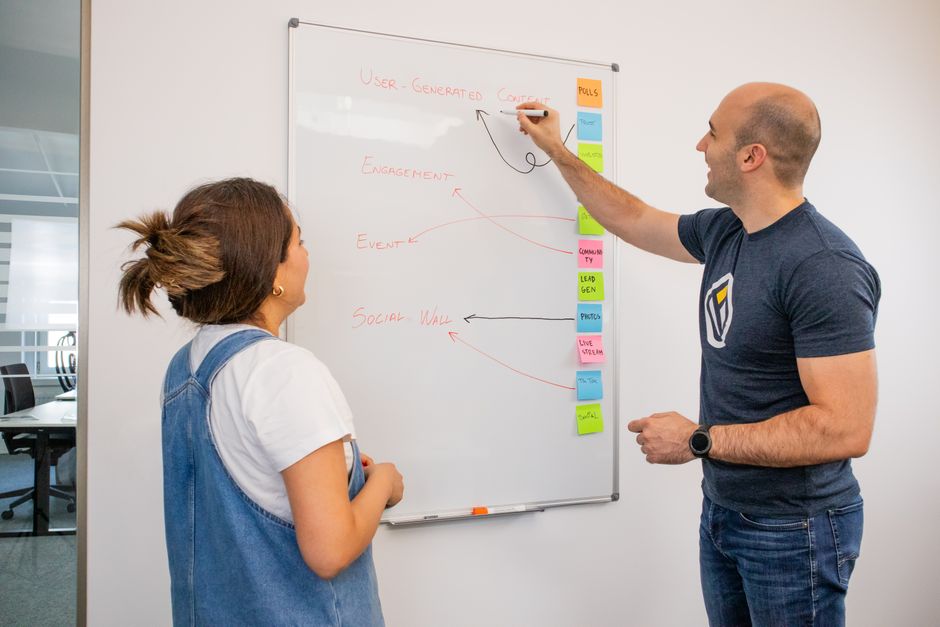
A social media plan a small business owner can run without a team.
Key Takeaways
- Social media marketing for small business means using social platforms on purpose to attract, convert, and keep customers. Posting regularly is only part of it.
- Two-thirds of small businesses say social media is very important or critical to sales. That's reason enough to back it with a documented strategy.
- Pick one or two platforms where your customers already spend their time. Stay consistent there before you add more.
- Stick to the 80/20 rule: about 80% of your posts should give people something useful, and only 20% should promote.
- Batch your content and schedule posts ahead of time, so you keep showing up even in your busiest weeks.
- Track the leads, inquiries, and sales that come from social media, and stop judging success by likes and follower counts.
What Social Media Marketing for Small Business Actually Means
Social media marketing for small business is the planned use of social platforms to attract, engage, convert, and retain customers, guided by documented goals. Posting now and then on accounts that happen to exist doesn't count.
A Facebook or Instagram profile you update when you have a spare hour is activity, not strategy. Nothing ties those posts to a measurable outcome like enquiries, bookings, or repeat purchases, and nothing tells you what to stop doing.
The gap is common. Many owners are busy online without a written plan for who they want to reach, what they should say, or how they'll judge success. That's where time and budget quietly drain away, month after month.
A working strategy does four jobs. It attracts new customers by getting you discovered by people who don't know you yet. It connects people through conversations and genuinely useful content. It converts followers into leads, bookings, and sales. And it retains existing customers by supporting them and earning repeat business.
Expect steady effort, not viral fame. A reliable rule of thumb is the 80/20 split: 80% of content should offer value, like tips or education, and only 20% should be promotional.
Why Social Media Drives Sales, Not Just Awareness
Social media drives sales for small businesses because shoppers now discover, evaluate and buy from brands inside the same feeds where they scroll. That makes social a revenue channel, not only a branding exercise. Owners who treat it as a billboard miss the point.
A post can introduce a product, answer a doubt in the comments and send a ready buyer to a checkout page within minutes. A journey that short deserves a place in your sales plan, with goals, owners and a budget.
Small business owners already see it this way. Research from the Small Business Expo Research Desk (2026) shows 66.9% of small businesses say social media is very important or critical to sales. Few owners would say that about a channel they only used for visibility. They say it because orders, enquiries and bookings keep tracing back to a post or a direct message.
Discovery is where the sale begins
Buyers rarely show up with a brand already in mind. They find one while scrolling, then decide.
About 51% of customers use social media to find a new brand or product, according to Lyfe Marketing. Adobe reports that over 55% of consumers learn about new brands and products on social media.
Every one of those moments is a shot at a first purchase, not just a like. A profile that explains what you sell and how to buy it turns that discovery into revenue.
Reach only matters when it is aimed
There are 5.24 billion social media users worldwide in early 2026, or 64.2% of the global population (DataReportal, 2026). That tells you how big the room is, not who's listening to you.
Pick the platform where your buyers already spend time, speak to one clear audience, and measure sales rather than impressions.
Build a Documented Strategy With SMART Goals
A one-page written social media strategy beats endless improvising because it pins down your goals, audience, platforms, and posting rhythm in one place, so every post works toward a measurable business result instead of a guess. Small teams often post when inspiration strikes and go quiet when work gets busy. A written plan breaks that stop-start habit.
It gives you something to check each week, and a new colleague can pick up the work without a long handover. Guidance for small businesses from the Federation of Small Businesses stresses the same basics: know why you're posting and who you want to reach. Keep the document short enough that you'll actually reread it. One page is plenty.
What goes into a one-page strategy
- Write one to three business goals, such as more bookings or repeat orders.
- Name your target audience in a single sentence.
- Choose the two platforms where that audience already spends time.
- Set a posting schedule you can honestly sustain.
- List the three metrics you'll review each month.
Turning business goals into social goals
"Get more followers" is a wish, not a goal. A SMART goal is specific, measurable, achievable, relevant, and time-bound. Start with the business result you want, then work backwards to what social media has to deliver.
| Vague Goal | SMART Version | Metric to Track |
|---|---|---|
| Get more followers | Grow Instagram followers in our delivery area by 15% in 90 days | Follower growth (local audience) |
| Get more customers | Generate 20 booking inquiries per month from LinkedIn and Facebook by Q2 | Inquiries from social referral links |
| Be more active | Publish 3 posts per week on two platforms for 12 consecutive weeks | Posting consistency rate |
| Improve reputation | Respond to every comment and DM within 24 hours | Average response time |
Each SMART version names a number, a channel, and a deadline. Review the page every quarter and adjust the targets to match what your results show.
Define Your Audience Before You Pick Platforms
Your existing customers already tell you where to show up. Their purchases, questions, reviews, and contact habits show which people buy from you, which channels they use, and which topics earn their attention.
Start with evidence you already own instead of guessing at "everyone online." Pull together past orders, sales call notes, support emails, and public reviews, then look for patterns.
A small business needs a rough profile, not a research report. Even a one-page list of your best customers will sharpen every later decision, as Lyfe Marketing notes in its small business guide. That profile tells you which platforms deserve your time, what tone feels natural, and which topics answer real buying doubts.
Work through this checklist and write the answers down in plain language.
- Identify your top buyers: who buys most often, and why they picked you over the alternatives.
- List the questions customers ask before they buy. Each one is a ready-made post topic.
- Note which platforms customers mention or use to reach you, like Instagram DMs or Facebook messages.
- Collect the exact words customers use to describe their problem, then borrow that language in your captions.
- Confirm where customers are: local, national, or international. It changes your targeting and posting times.
Spotted a gap? Ask five recent customers how they found you. Their answers often beat any assumption.
Choosing the Right Platforms for Your Business
Two well-run platforms beat five neglected ones. A small business gets more from steady posting and real conversations on a couple of channels than from a thin, sporadic presence everywhere.
Start where your ideal customers already spend their time. Add a second channel only when the first feels like routine and you can keep it up without dread, since every extra platform multiplies the planning, creating, and replying you owe each week.
Local small-business guides like Digimark's overview give the same advice: match channels to your audience before you expand. The table below pairs each network with the business types it suits, the formats that tend to earn engagement, and a realistic weekly commitment. It's built to fit around running the rest of your company, so nothing here assumes a dedicated social media manager or a big budget.
| Platform | Best For | Content That Works | Realistic Weekly Effort |
|---|---|---|---|
| Local services, community-driven businesses, events | Updates, offers, groups, reviews | 2–3 posts + replying to comments | |
| Visual products, retail, food, hospitality | Photos, Reels, carousels, Stories | 3 posts + regular Stories | |
| B2B, SaaS, consultants, professional services | Founder insights, case-style lessons, text posts | 2–3 posts + commenting | |
| X | Tech, SaaS, building in public, real-time commentary | Short takes, threads, replies | Daily short posts or replies |
| Threads | Conversational brands with an existing Instagram audience | Casual text posts, questions | 3–5 short posts |
| Niche communities, SaaS, expert-led businesses | Helpful answers, non-promotional posts | A few useful contributions |
Platform popularity shifts from market to market. Facebook and Instagram carry a lot of weight for small businesses in places like Ireland and the US, while Central Europe can lean toward different networks. Ask your last ten customers where they found you, and read market-specific advice such as the V-Hub guide for Irish small businesses.
Choose by customer, not by trend. If you sell to other businesses, LinkedIn plus one conversational channel is usually enough. If you sell to locals or on looks, Facebook and Instagram cover most of the ground.
Check the results after 90 days and drop any channel that hasn't produced anything.
A Content System Built for a Team of One
A content system for a team of one rests on four things: a few fixed content pillars, an 80/20 value-to-promotion balance, monthly batching, and repurposing each core idea across platforms.
You stop inventing something new every morning. Decide the themes once. Collect ideas in a single monthly session. Then stretch each idea into several posts, so one afternoon of thinking covers weeks of publishing. Any busy owner can keep that rhythm up.
This matters most when you don't have a marketing department. Consistency rarely dies from a shortage of things worth saying. It dies from the daily decision about what to say. A simple structure removes that decision, keeps every post intentional, and puts the time you save back into serving customers.
Content pillars that fit small businesses
Choose three or four pillars and rotate through them. Keep the split at 80/20: four value posts for every promotional one.
- Expertise: tips, how-tos and answers drawn from your daily work.
- Behind-the-scenes moments that show who actually runs the business.
- Customer wins: short stories and results from real clients.
- Offers, launches and seasonal promotions, kept to about one post in five.
The one-idea, many-posts repurposing method
- Hold one 90-minute session each month and batch every idea for the weeks ahead.
- Pick one core idea, such as a common customer mistake, and write it once in full.
- Adapt that idea for each platform: a longer LinkedIn post, a sharp line for X, a visual for Instagram.
- Keep a running swipe file of customer questions, since each one is a ready-made prompt.
In practice, tools like PostKing turn one core idea into versions formatted for LinkedIn, X, Instagram, Threads, and Facebook, so you don't have to rewrite every post by hand.
A Posting Schedule You Can Actually Sustain
A sustainable posting schedule is one you can keep up for months, built around the hours you really have. Steady, repeatable posting builds audience trust and momentum far more reliably than occasional bursts of heavy activity.
Most small business owners stumble here, and it's not for lack of ideas. They overcommit in week one, publish daily for ten days, get buried in client work, then vanish for a month. Audiences notice the silence, and algorithms reward regular activity, so every pause resets your progress.
Small businesses can see real benefits from social media with only a few hours of effort each week. That's the realistic bar. Pick a rhythm that survives your worst week, not your best one, and raise it only once it feels easy.
| Time Available per Week | Platforms | Suggested Cadence | Focus |
|---|---|---|---|
| 1–2 hours | 1 | 2–3 posts per week | Consistency and replies |
| 3–4 hours | 2 | 3 posts per platform per week | Value content + light promotion |
| 5+ hours | 2–3 | 4–5 posts per platform per week | Testing formats and community building |
Treat these as starting points. If you miss a week, drop a tier instead of quitting.
Schedule Ahead, Stay Consistent
Batching makes the table achievable. Write and schedule a full week in one sitting, and a chaotic Tuesday can't wreck your schedule. In practice, tools like PostKing support this by planning a week of content and scheduling it across LinkedIn, X, Instagram, Threads, and Facebook together.
Save your live time for what automation can't do: answering comments and messages.
Using Social Media for Customer Service and Reputation
Social media customer service means answering questions, complaints and mentions publicly and promptly. Every reply shows future customers how your business treats people once they've paid or asked for help.
Customers now expect an answer on the same platform where they reached out, not an email a week later. A fast, polite reply builds trust that no scheduled post can match, while a silent comment section does the opposite (and prospects notice).
Small businesses can compete here, because large competitors struggle to give personal attention at scale. Guidance from the Federation of Small Businesses treats social as a two-way channel for engaging customers, not just a place to broadcast. So treat your inbox and comments as part of the service desk, and build a few habits around it.
- Set a response standard: pick a realistic window, such as within 24 hours, and stick to it. Put it in your bio so customers know what to expect.
- Reply to complaints publicly with something short and calm, then move the details to a private message. Never argue in the comments.
- Save replies to common questions, like opening hours, delivery times and pricing, so you can answer in seconds. Add the customer's name to each one.
- Keep sensitive matters, such as order numbers, refunds and personal details, out of public threads entirely.
- Ask for reviews: invite happy customers to leave one, and get their permission before you share their feedback as a post.
- Check for mentions of your brand weekly, not just the posts that tag you. People often talk about businesses without using the handle.
Practical advice from Vodafone's V-Hub points the same way: small businesses gain most when they stay present and responsive.
Organic vs. Paid: Spending a Small Budget Wisely
Small businesses should prove content works organically first. Then spend a small budget only on boosting proven posts, or on targeted ads for specific offers, events, or local services, with tracking in place.
Social media is cost-effective because posting is free. Every organic post that earns saves, shares, and replies becomes a tested asset you can put money behind later, which means you're not gambling a limited budget on guesswork.
Organic growth is honestly slow, and the early months of consistent posting can feel quiet. But that patience builds trust, community, and a library of proven content.
Paying for reach without a clear goal, a tracked link, or a landing page just buys impressions. They never turn into customers, inquiries, or sales, however generous the budget looks on paper.
| Approach | Best Used When | Watch Out For |
|---|---|---|
| Organic | Building trust, community, and a library of proven content | Slow early growth; requires consistency |
| Boosted posts | A post already performs well and has a clear next step | Boosting low-performing or vague posts |
| Targeted ads | Promoting a specific offer, event, or local service | Running ads with no tracking or landing page |
Start with a small test: boost one top-performing post for a week, point it to one clear next step, and track the result. Lyfe Marketing's guide to social media marketing for small businesses offers more context on budgeting.
Measuring Social Media ROI Beyond Likes
Measuring social media ROI means tracking the inquiries, leads, and sales your social activity produces. Likes and followers show visibility, but they rarely tell you whether content actually grows revenue.
Small businesses increasingly treat social platforms as a real sales channel (Small Business Expo), so your measurement should match. Tag every link in your bio, posts, and stories with UTM parameters. Analytics will then show exactly which platform, campaign, and post sent each visitor, and which of those visitors went on to buy.
Add a "how did you hear about us?" question to your checkout, booking, and contact forms. Log every DM that asks about price, availability, or timing as a lead in a simple shared spreadsheet. Many social buyers never click a link, so without this they'd stay invisible in your monthly reports.
| Metric Type | Example | What It Tells You |
|---|---|---|
| Vanity | Likes, follower count | Surface-level visibility only |
| Engagement quality | Saves, shares, comments with questions | Whether content is genuinely useful |
| Traffic | Clicks via UTM-tagged links | Whether social sends people to your site |
| Leads | DMs, inquiries, sign-ups, bookings | Buying intent from social |
| Revenue | Sales attributed to social referrals | Actual return on time and spend |
Your monthly scorecard
- Record UTM-tagged clicks for each platform to track traffic.
- Count new leads from DMs, forms, and bookings.
- Note the top three posts by saves and shares.
- Add sales that customers credited to social to track revenue.
- Compare hours and ad spend against results, then keep what works and cut what doesn't.
Using AI Without Losing Your Brand Voice
AI should amplify your brand voice, not replace it: small businesses keep their personality by feeding AI their own writing, editing every draft for tone, and approving each post before it goes live. The worry is fair. Generic AI copy often sounds breathless, vague and interchangeable, and customers spot it fast when a business starts sounding like everyone else.
That's a quality problem, not a reason to avoid the tools entirely. Used well, AI handles the blank-page work of drafting, so you can spend your limited time on what only you can do: picking the story, adding a real detail, and checking that the post sounds like you.
The safest approach is to treat AI as a fast first-draft assistant. It's never the final author, and nothing should reach your customers until a human has read it.
Tools can help here. In practice, platforms like PostKing build voice profiles from a brand's own website and past posts, then add a review-and-approve step before anything goes out.
- Give AI your past posts and website copy as reference material.
- Review and edit every draft before it goes live.
- Swap in your own examples, names and local details.
- Skip generic, overly excited copy that sounds like everyone else.
- Don't let automation replace real replies to customers.
Read each draft aloud before approving it. If you'd never say a line to a customer in person, rewrite it.
Your First 90 Days: A Week-by-Week Action Plan
A 90-day social media plan splits the work into three phases: set up in month one, build a steady posting habit in month two, and measure and refine in month three. Small businesses rarely fail because of bad ideas. They fail because they start without structure and quit when results feel slow.
A fixed timeline takes the guesswork out and gives every week one clear job. Guidance from money.co.uk points the same way: pick your platforms deliberately, post consistently, and check what works.
Treat the plan below as a starting template, then adjust the pace to your team's real capacity. A modest schedule you can keep beats an ambitious one you abandon by week four. And each phase builds on the one before it, so don't jump to measurement before the foundation is in place.
- In Weeks 1–2, write a one-page strategy, set SMART goals, and audit your existing profiles.
- Weeks 3–4 are for choosing one or two platforms, defining your content pillars, and batching your first month of posts.
- Weeks 5–8 are about rhythm. Publish on a fixed schedule, reply to comments daily, and tag every link with UTMs.
- During Weeks 9–12, review your scorecard, double down on what converts, and cut what doesn't.
By day 90, you'll have real data instead of hunches. Use it to plan the next quarter with confidence.
FAQs About Social Media Marketing for Small Business
How much time does social media marketing take for a small business?
Most small businesses can run an effective social media presence in about three to five hours per week. The trick is to quit treating it like a daily scramble and batch the work instead. Block out one session to plan topics and another to create photos, short videos, and captions. Then schedule it all in advance with a free or low-cost scheduling tool.
Add 10 to 15 minutes a day for replying to comments and messages, and you can stay consistent without a dedicated team.
Which social media platform is best for a small business?
It depends on where your customers spend time and what kind of business you run. Visual businesses such as restaurants, salons, and retailers often do well on Instagram, TikTok, and Facebook. Service providers and B2B companies tend to get better results on LinkedIn or Facebook.
Local businesses often get a lift from Facebook groups and Google Business Profile updates. Start with just one or two platforms, learn what resonates, and add more only when you can keep up the quality and consistency.
How often should a small business post on social media?
Consistency beats volume. For most small businesses, two to five posts per week is a realistic and effective range. A schedule you can keep up for months will outperform a burst of daily posts that fizzles after a few weeks.
Mix helpful tips, behind-the-scenes content, customer stories, and the occasional offer. Then adjust your frequency based on which posts bring real engagement and inquiries.
Is social media marketing worth it for small businesses?
Yes, for most small businesses it is. Many already treat social media as an important sales channel, and organic content is a low-cost way to reach local customers. Unlike traditional advertising, you can start with little more than a smartphone and your time.
It works best when you pair it with a clear goal, like leads, bookings, or repeat purchases. Posting without direction won't get you there.
How do I measure whether social media is working?
Look at business results, not vanity metrics like likes. Use UTM-tagged links so Google Analytics shows which posts drive website visits, form submissions, and purchases.
Count the inquiries, calls, direct messages, bookings, and sales that come from social media, and ask new customers how they found you. Review the numbers monthly, double down on the content that produces leads, and drop what doesn't.
Should a small business pay for social media ads?
Prove your content works organically first. Once you know which messages and formats earn engagement and generate inquiries, you can put a small budget behind them.
A good starting point is boosting posts that have already performed well, aimed at a local or well-defined audience, for a limited time. Track cost per lead or sale, and scale spending only when the return is clear.
Can I use AI for small business social media without sounding generic?
Yes, as long as AI is your drafting assistant and not a replacement for your voice. Feed the tool examples of your best posts, your brand tone, customer questions, and real details about your products and services, so the output reflects your business.
Then review and edit every draft. Add specific stories, local details, and your own opinions, and cut the stock phrases. AI can speed up brainstorming and first drafts, but your personal touch is what makes the content feel authentic.
Common Social Media Marketing Mistakes Small Businesses Make
- Posting without a written strategy: If you haven't documented your goals and who your audience is, your posts turn random and your results stay inconsistent. You can't tell what's working.
- Trying to be on every platform at once: Spread your limited time across five or six platforms and you'll usually do all of them badly. Get good at one or two first.
- Chasing virality instead of customers: Viral reach rarely turns into sales for a small business. Useful content aimed at the right audience brings in more inquiries and more buyers.
- Over-promoting: Nobody sticks around for a feed of sales pitches. Keep the 80/20 value-to-promotion balance, and your occasional offers will convert because people trust you.
- Ignoring comments and messages: Slow or missing replies hurt your reputation in public and waste the interest your content earned. Treat social as a customer service channel.
- Measuring only likes and followers: Vanity metrics won't tell you if social media is driving revenue. Track clicks, inquiries, and sales, then put your effort where it pays off.
- Publishing generic AI content unedited: Unreviewed AI drafts often sound bland and overly excited. That wears away the authentic voice that sets a small business apart.
Related Guides
- Small Business Marketing Strategies, Ranked by Cost and Effort
- 25 Marketing Ideas for Small Business
- Small Business SEO Marketing on a Small Budget
- Online Marketing Tools for Small Business
- Marketing Automation Software for Small Business
Sources
- Small Business Expo Research Desk
- The Complete Guide To Social Media Marketing For Small Businesses
- A guide to social media marketing for small business owners
- DataReportal
- iwoca
- 7 Benefits Of Social Media For A Small Business
- Social Media Marketing for Small Businesses Ireland Guide, Digimark
- Digital Marketing Basics for Small Businesses
- Social media for Irish small businesses, V-Hub
About Dana Willow
Author
Senior Marketer sharing 15 years of marketing wisdom through an AI lens. Teaching founders to automate smarter.