Effortless Website Promotion: Your 2026 Software Guide
Discover the best website promote software for 2026. Easy SEO tools & automation boost online visibility. Start promoting your website effectively today!

Dana Willow
Senior Marketer sharing 15 years of marketing wisdom through an AI lens.
Published on July 14, 2026
Updated on September 27, 2026

Website Promotion
Key Takeaways
- Select software aligning with your SEO goals and skill level.
- Use AI-integrated tools for enhanced visibility.
- Avoid overreliance on a single tool; combine for best results.
Introduction to Website Promotion Software
Effective website promotion hinges on the right SEO tools. Without them, even well-crafted content struggles to reach its audience. The global SEO software market reached a staggering $96.42 billion in 2026 - a figure that reflects just how central these platforms have become to digital growth strategies. Businesses of every size now treat SEO software not as a luxury, but as a core operational investment, shaping everything from keyword targeting to technical audits and competitive intelligence.
The Modern SEO Problem
Search engines have grown dramatically more sophisticated. Algorithms now weigh user intent, page experience, and semantic relevance alongside traditional signals like backlinks and keyword density. Staying competitive means adapting fast - and doing so consistently.
One revealing pain point: ranking on page one means little if your click-through rate stays below 3%, often a sign that title tags or meta descriptions need work. The right tool surfaces exactly these gaps.
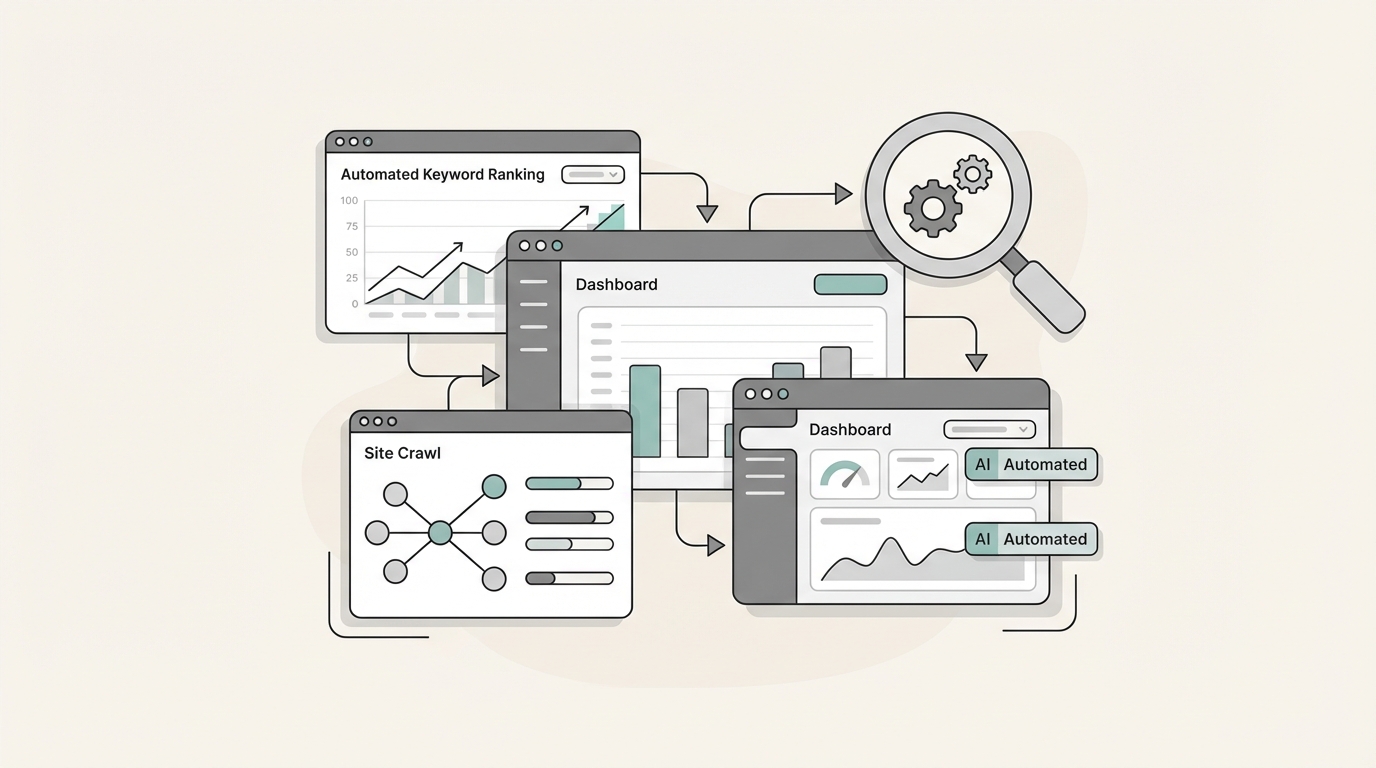
Role of Automation
Manual SEO simply cannot scale. Automation handles repetitive tasks - rank tracking, crawl analysis, reporting - so teams focus on strategy. Marketers typically spend between $100K and $500K annually on organic search (Forrester), making efficiency gains from automation directly measurable in ROI.
Smart software turns raw data into prioritized action. That shift - from reactive to proactive - is what separates growing sites from stagnant ones.
Top Easy SEO Tools for Website Promotion in 2026
Discover tools that make SEO accessible and powerful - because the right platform turns complex ranking signals into clear, actionable steps any website owner can follow. The global SEO software market reached $96.42 billion in 2026, proof that businesses everywhere are investing in smarter visibility. Whether you run a personal blog or a growing e-commerce store, the tools below meet you at your skill level - then scale with you as your ambitions grow. Each one was selected for low friction, strong AI integration, and a track record trusted by real users.
- Google Analytics & Search Console (Free, Foundational): These two free platforms from Google are the non-negotiable starting point for any site owner. Analytics shows you who visits, how long they stay, and which pages drive conversions. Search Console reveals exactly which queries trigger your pages in search results, flags crawl errors, and confirms that Google can index your content correctly. Together they give you a data baseline no paid tool can replace - free tools that also make it obvious why cracked SEO tools cost more than they save.
- AIOSEO (WordPress, User-Friendly): Over 3 million website owners use AIOSEO to manage their WordPress SEO without touching a single line of code. Its TruSEO scoring system walks you through on-page fixes in plain language - title tags, meta descriptions, schema markup, and more. The setup wizard is fast. The interface stays clean even as the feature set grows, making it ideal for beginners who need guidance and experts who value speed.
- Semrush Enterprise (Comprehensive, AI-Driven): Semrush is the command center for teams that need everything in one place. Keyword research, backlink audits, competitor gap analysis, content briefs, and rank tracking all live inside a single dashboard. Its AI-powered writing and optimization features accelerate content production without sacrificing quality.
Pricing reflects enterprise scope - marketers typically spend between $100K and $500K annually on organic search, and Semrush fits naturally inside that budget for teams serious about market share.
How These Tools Work Together
No single tool does everything perfectly. Smart teams layer them: Google's free suite handles foundational monitoring, AIOSEO manages on-page execution inside WordPress, and Semrush drives strategy at the competitive level.
Think of it as a stack, not a swap. Each tool reinforces the others, closing gaps that any one platform would leave open on its own. Starting with the free layer costs nothing and builds the data habits you need before investing in premium tiers.
Choosing by Stage, Not by Feature Count
A beginner overwhelmed by Semrush's 50-plus toolkits will get more value from AIOSEO's guided checklist first. Feature count is a vanity metric. What matters is whether the tool matches where you are right now - and whether it still serves you six months from now when your needs shift.
Start simple. Measure consistently. Upgrade when the data demands it.
How to Choose the Right Software for Your Needs
Selecting the perfect tool starts with understanding your SEO goals - your budget, your team size, and the specific growth challenges your website faces right now, before you scan a single comparison page or pricing table. The global SEO software market reached $96.42 billion in 2026, and that scale tells you exactly how crowded the choice market has become - most platforms promise broad coverage while actually serving specific user types best, which means matching a tool to your actual day-to-day workflow matters far more than chasing the top-rated name on a popular review list. A structured two-step framework - auditing your current setup first, then stress-testing shortlisted tools against real user reviews and transparent pricing tiers - cuts through the noise, saves budget, and puts you confidently in control of a decision that pays off over time.
Assess Your Current SEO Setup
Step one is a fast inventory. List the tools you already use, the metrics you check each week, and the gaps you keep hitting. Honest answers here narrow your shortlist before you read a single review.
- Active tools: note which platforms you genuinely open at least weekly
- Data gaps: pinpoint what insights you consistently lack or borrow from elsewhere
- Team skill level: choose interfaces your team can use without heavy onboarding
- Growth stage: early-stage sites need flexibility; established sites need deeper reporting
This inventory stops you from buying an enterprise platform for features your site will not need for another year.
Evaluate User Reviews and Pricing
Step two is external pressure-testing. Scan verified review platforms for recurring patterns - slow support, missing data exports, surprise price hikes - not just average star ratings. One repeated complaint reveals more than fifty polished five-star reviews.
Marketers at scale spend between $100K and $500K annually on organic search (Forrester), which underlines why pricing transparency is non-negotiable before you commit. A plan with a published free trial and visible feature limits removes the guesswork.
A plan that hides its pricing behind a mandatory demo call is a warning sign worth heeding.
Common Mistakes to Avoid in Website Promotion
Avoid these common errors in your promotion strategy. Most site owners focus heavily on traffic volume while ignoring the quality signals that actually convert visitors into customers. Two mistakes in particular quietly drain results - one kills clicks before they happen, the other makes entire pages invisible to search engines. Catching them early saves months of wasted effort and protects every dollar you invest in organic growth.
Ignoring CTR Optimization
Your ranking means little if nobody clicks through. 9 Best SEO Tools for Beginners warns that ranking on page one with a CTR well below 3% signals a broken title tag or meta description. Google reads low CTR as a relevance failure and can quietly demote the page.
Fix this before chasing more backlinks. Test emotional, benefit-driven titles. Include a number, a year, or a clear promise in your meta description - then measure the delta.
- Weak title tags: Generic headings get ignored; front-load the primary benefit
- Vague meta descriptions: Treat them as ad copy - one clear call to action
- Missing schema markup: Rich snippets raise visual prominence and click share
- No A/B testing: Without testing, you never know which copy wins
Overlooking Technical SEO
Creative content cannot outrun crawl errors, broken redirects, or slow Core Web Vitals. Technical issues block indexation at the root - no amount of link-building compensates.
Slow load speeds punish mobile users hardest.
A fast, crawlable site is the foundation every other tactic builds on.
- Crawl errors: Unresolved 404s bleed link equity and confuse bots
- Duplicate content: Competing versions of the same page split ranking signals
- Poor Core Web Vitals: Google uses LCP, CLS, and INP as ranking inputs
- Missing canonical tags: Without them, search engines choose the wrong URL to rank
Strategy: Improve Your Online Presence
Transform your website's visibility with the right approach - combining smart SEO fundamentals, consistent content, and genuine audience focus can compound into lasting organic growth. The strategies covered in this guide are not theoretical; they are the same levers that move rankings for sites of every size. Start with what you can control today: fix your technical foundations, sharpen your title tags, and build links worth earning.
Website promotion rewards patience over shortcuts. Small, deliberate improvements stack faster than most marketers expect.
Chasing quick wins without a clear plan is how brands waste budget and time.
The global SEO software market reached $96.42 billion in 2026 - a signal of how seriously businesses treat organic visibility. Your competitors are investing. The question is whether you will move first.
Pick one tactic from this guide and act on it today. Momentum, not perfection, is what separates growing sites from stagnant ones.
FAQs about website promote software
What's the best free SEO tool for beginners?
For beginners looking to promote their website without a hefty budget, two free tools stand out as indispensable in 2026. Google Analytics gives you a powerful, in-depth look at how visitors find and interact with your site - tracking traffic sources, user behavior, bounce rates, and conversion goals, all at no cost. Paired with Google Search Console, which reveals exactly how your site performs in Google search results, highlights indexing issues, and shows which keywords are driving clicks, beginners have everything they need to build a solid SEO foundation. Together, these two platforms form the ultimate free starting point for any website promotion strategy in 2026.
How does AI impact SEO tool choice?
Artificial intelligence has fundamentally transformed the nature of website promote software in 2026, making AI capability a top priority when choosing an SEO tool. Modern AI-powered platforms deliver enhanced insights by analyzing massive amounts of data far faster than any manual process - uncovering hidden ranking opportunities, predicting algorithm shifts, and providing precise competitor analysis that traditional tools simply cannot match. Beyond data analysis, AI also enables automated content suggestions, helping marketers generate optimized topic ideas, meta descriptions, and even full content briefs tailored to target keywords and search intent. When evaluating SEO software today, prioritizing tools with advanced AI features ensures your website promotion efforts are smarter, faster, and more competitive.
Avoid These Website Promotion Pitfalls
- Overlooking Mobile Optimization: Check your site is mobile-friendly for better rankings.
- Ignoring Local SEO (If Applicable): Claim and promote your Google My Business listing.
Related reading: This piece is part of our easy SEO cluster. See the pillar easy SEO tool guide for the full 12-tool roundup, and pair it with easy SEO tracking once your promotion stack is live, plus automatic SEO for WordPress if you're on that platform.
Sources
About Dana Willow
Author
Senior Marketer sharing 15 years of marketing wisdom through an AI lens. Teaching founders to automate smarter.