Easy SEO Tools: 7 Simple Options That Work in 2026
Find an easy SEO tool that fits your workflow. Compare 12 beginner-friendly platforms that deliver results without complexity or marketing expertise.

Dana Willow
Senior Marketer sharing 15 years of marketing wisdom through an AI lens.
Published on July 7, 2026
Updated on October 10, 2026

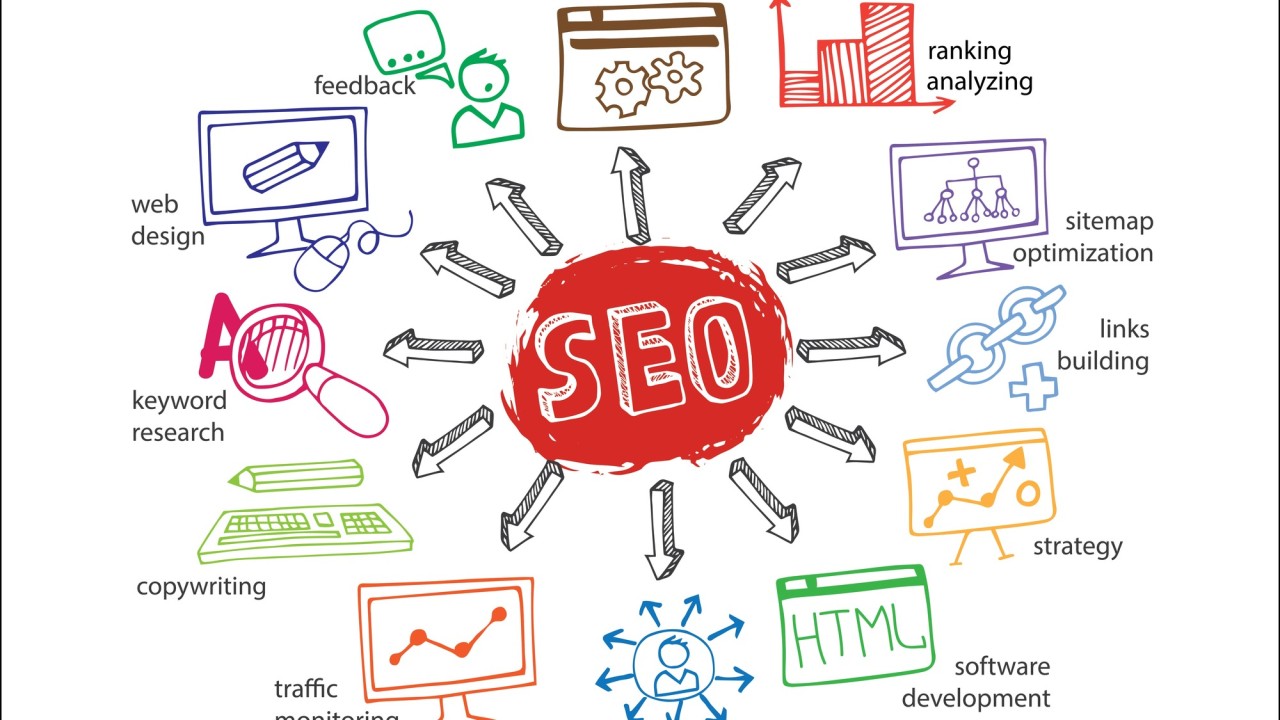
Image showing hub and spoke strategy
Key Takeaways
- The best easy SEO tools focus on one core job instead of a dashboard with 50 features you'll never open.
- Free tools often cost more in time spent working around limits than a paid tool costs in dollars.
- Start with the single bottleneck that's actually blocking your growth, not the tool with the longest feature list.
- For rank tracking specifically, see our dedicated rank-tracking tools comparison and step-by-step tracking guide - this piece stays focused on the other 11 jobs an easy SEO tool needs to do.
Why Most SEO Tools Are Too Complex for Founders
Most SEO tools were built for agencies managing dozens of clients, not founders running one business. You open the dashboard and face dozens of metrics and report types, with a learning curve steeper than your product roadmap. The interface assumes a dedicated SEO specialist is using it. You don't have one - you're trying to rank pages between customer calls and product work. That complexity isn't a feature, it's a barrier between you and the one thing you actually need: a clear next action.
The Agency-First Design Problem
Enterprise SEO platforms evolved to serve teams working in parallel - account managers, technical auditors, content strategists. Their feature sets reflect that. A solo founder doesn't need white-label reporting or multi-seat crawl budgets; they need to know why a page is stuck on page three.
The result is software bloat dressed up as sophistication. Dashboards reward familiarity over insight, and a founder who logs in twice a week leaves more confused than when they arrived.
Why Complexity Doesn't Equal Better Results
More features rarely produce better rankings - they produce more open tabs. Real progress comes from consistent, focused actions: publishing relevant content, fixing crawl errors, earning credible links. Tools that bury those actions inside audit wizards and keyword-universe maps slow founders down rather than speeding them up.
What Makes an SEO Tool Actually "Easy" in 2026
An easy SEO tool does one thing well instead of fifty things poorly, and it shows you exactly what to fix without a marketing degree to interpret the data. The interface loads fast and surfaces actionable next steps rather than vanity metrics. You can complete a meaningful task in under 10 minutes. Recommendations read in plain language - "add this keyword to your H2," not "increase semantic density vectors." Most important, it connects to outcomes you actually care about: qualified visitors, better visibility, more conversions.
Single-Purpose vs. All-in-One Platforms
- Single-purpose tools: faster onboarding, lower cost, one clear job done well.
- All-in-one suites: powerful for agencies, but a steep learning curve for solo founders.
- Hybrid platforms: modular features - pay only for what you actually use.
The 10-Minute Usability Test
A genuinely easy tool passes one test: a first-time user completes a real task in under 10 minutes with no tutorial. Start a free trial, skip the onboarding tour, and attempt one task cold. Tools that pass feel obvious; tools that fail feel like homework.
Plain Language Over Jargon
The best SEO tools translate technical signals into clear instructions. "Your page loads slowly on mobile - compress these three images" beats any abstract score. Plain language removes the guesswork that stalls non-technical founders.
7 Easy SEO Tools That Don't Require a Marketing Degree
The best easy SEO tools solve one specific problem better than an enterprise platform solves everything. For keyword research, tools that visualize search questions beat overwhelming spreadsheets. Page audits work best through browser extensions that highlight issues directly on your live site. Content optimization tools that score your draft in real time beat a separate platform you check after writing. Technical crawlers that surface the top handful of critical errors beat a report listing hundreds of minor ones - fixable beats thorough every time.
Keyword Research Tools
Good keyword tools reveal what people actually ask, not just what they type. Free options cover most small-site needs; paid tiers add volume data and competitor gaps.
- AnswerThePublic: visualizes search questions as mind maps - good for blog topic discovery.
- Google Search Console: shows exactly which queries already bring you traffic, at zero cost.
- Ubersuggest: combines keyword volume, difficulty scores, and content ideas in one dashboard.
Rank Tracking
Rank tracking is its own category with enough to say that it gets dedicated coverage elsewhere: see our full rank-tracking tools comparison (priced by what a real keyword set costs across seven tools) and our step-by-step guide to setting up tracking for free with Google Search Console before you pay for anything.
On-Page Audit Tools
Browser-based auditors flag missing title tags, broken links, and slow images on contact - no crawl setup required.
- Screaming Frog (free tier): crawls up to 500 URLs and exports a clean issues list.
- Detailed SEO Extension: one-click on-page snapshot directly in Chrome.
Content Optimization Assistants
Real-time scoring tools highlight missing subtopics while you write, which beats re-editing a finished draft.
- Surfer SEO: grades content against top-ranking pages as you type.
- Frase: combines brief building and optimization scoring in one editor.
| Tool Category | Best For | Learning Curve | Price Range |
|---|---|---|---|
| Keyword Research | Finding content ideas | 5 minutes | Free–$99/mo |
| Rank Tracking | Monitoring visibility | 10 minutes | See full comparison |
| Page Audits | Quick fixes | Instant | Free–$49/mo |
| Content Optimization | Writing better pages | 15 minutes | $39–$99/mo |
How to Choose Your First SEO Tool
Start with the one SEO task that's currently blocking your growth, not the tool with the most features. If you don't know what keywords to target, begin with keyword research. If you're writing content but not ranking, prioritize on-page optimization. If you're ranking but not getting clicks, focus on titles and meta descriptions. If you're getting traffic that isn't converting, skip SEO tools entirely and fix your landing pages first. Identify your bottleneck, test the simplest tool that addresses it, and measure results for 30 days before adding a second tool.
The Three-Question Tool Selection Method
- Bottleneck first: name one ranking, visibility, or content problem you face today.
- Feature match: confirm the tool directly addresses that problem, not an adjacent one.
- Measurability: choose tools with built-in reporting so progress is obvious.
- Budget fit: free tiers are fine at first; upgrade only after proven value.
When to Add Your Second Tool
Add a second tool only once the first has moved a metric you care about. Stacking tools early creates noise, not clarity - one tool mastered beats five tools ignored.
Common Mistakes When Picking an Easy SEO Tool
The biggest mistake is choosing tools by feature list instead of your actual workflow. A platform with fifty features sounds better than one with five, but you'll realistically use a handful of those fifty, and the interface complexity slows you down every session.
- Choosing by feature count: more features rarely means more results - usually just more confusion.
- Picking agency-grade tools as a solo founder: tools built for teams assume dedicated SEO staff, not a founder squeezing in 30-minute sessions.
- Assuming free equals easy: free tiers are often the least polished experience, since paid customers get the UX investment.
- Committing to annual billing after a shallow trial: a week barely reveals a tool's real learning curve or value.
- Ignoring your existing stack: a tool that doesn't connect to your CMS or analytics adds manual work that kills consistency.
The Hidden Cost of "Free" SEO Tools
Free SEO tools often cost more in time than a paid tool costs in dollars. They wall off core features behind upgrade prompts, forcing manual exports and stitched-together reports. Support is often minimal, so a technical hiccup turns into a research detour. Free tools also tend to lag on new capabilities, since those land in paid tiers first.
Time Cost vs. Dollar Cost
Dollar cost is visible; time cost is invisible and often larger for a small team. Every hour spent exporting CSVs and reconciling dashboards by hand is an hour not spent on content, outreach, or product.
When Free Makes Sense (And When It Doesn't)
Free tools suit early validation - testing whether SEO is worth pursuing at all. Once you're publishing consistently, the manual workarounds tend to outweigh the savings, and it's worth pricing out what a focused paid tool would save you in hours per week.
Beyond Traditional Rankings: What's Changing
Search results increasingly include AI-generated summaries and answers alongside the traditional list of links, and that shift changes what "visibility" means. A page ranking well in the traditional sense doesn't guarantee it's cited when an AI system answers a related question - those are related but separate signals. Tools built specifically for this space monitor whether and how your brand gets mentioned in AI-generated answers, which is a different job than a keyword rank tracker performs.
What to Do About It Today
You don't need a separate AI-visibility subscription before you have the traditional fundamentals working - clean technical SEO, content that actually answers the query, and a rank-tracking habit (see our tracking guide). Once those are in place, monitoring AI citations becomes the next layer to add, not a replacement for the first one.
Related Guides
Related reading: free and cracked SEO tools for beginners, automatic SEO for WordPress, website promotion software, rank-tracking tools compared, how to track keyword rankings, and our PostKing vs. SEMrush comparison.
FAQs About Easy SEO Tools
What's the easiest SEO tool for complete beginners?
Browser extensions are the easiest entry point. Instead of a separate dashboard, they audit pages in real time as you browse - no setup, no learning curve. You get instant feedback with issues highlighted directly on-screen and recommendations in plain language. Most offer a generous free tier, so you can be productive within minutes.
Do I need multiple SEO tools or just one?
Start with one tool targeted at your single biggest bottleneck and resist stacking tools before you see results. Use it consistently for at least 30 days and look for measurable improvement before adding anything else. Most founders genuinely need two or three focused tools, not one all-in-one platform with features they'll never touch.
Are free SEO tools good enough for small businesses?
They're good enough for learning the basics and occasional tasks, but active use tends to expose their limits - missing integrations, manual exports, and features that arrive in paid tiers first. If your time has real dollar value, it's worth pricing out how many hours a week a paid tool would actually save you before assuming free is cheaper.
How do I know if an SEO tool is actually easy to use?
Apply a 10-minute usability test during a free trial: can you complete one meaningful task - finding keywords, checking rankings, auditing a page - in under 10 minutes from a cold start? Also check that the interface loads quickly, recommendations are in plain language rather than jargon, and every insight points to a specific next action rather than a vanity metric.
Where should I go for rank tracking specifically?
See our dedicated step-by-step tracking guide for the free Google Search Console setup, and our rank-tracking tools comparison once you're ready to compare paid options by price.
What free search engine optimization software is easiest to start with?
Four of the easy SEO tools in this guide cost nothing to start. Google Search Console shows which queries already bring you traffic. Screaming Frog's free tier crawls up to 500 URLs and exports an issues list. The Detailed SEO Extension gives a one-click on-page snapshot in Chrome. AnswerThePublic turns search questions into topic ideas.
5 Mistakes Founders Make Choosing Easy SEO Tools
- Picking tools based on feature count instead of workflow fit: choose tools that do one thing exceptionally well for your specific bottleneck, not a Swiss Army knife built for agencies.
- Assuming free tools are easier than paid alternatives: free tools often have the roughest experience since paid customers get the UX investment, and they tend to cost real time in manual workarounds.
- Testing tools for 7 days then committing to annual billing: a week barely reveals a tool's learning curve - test on monthly billing for at least 30 days before committing annually.
- Ignoring your existing stack: a tool that doesn't connect to your CMS or analytics adds manual work that kills consistency.
- Choosing tools your competitors use without considering resource differences: a team with a full-time SEO manager needs different tools than a founder working between customer calls.
Sources
About Dana Willow
Author
Senior Marketer sharing 15 years of marketing wisdom through an AI lens. Teaching founders to automate smarter.