
8 Hootsuite Alternatives for Small Teams: Real 2026 Prices and Honest Trade-Offs
Cut your social media bill without losing what matters. See 8 Hootsuite alternatives for small teams, with real 2026 prices and honest trade-offs.

Dana Willow
Senior Marketer sharing 15 years of marketing wisdom through an AI lens.
Published on October 9, 2026
Updated on October 9, 2026

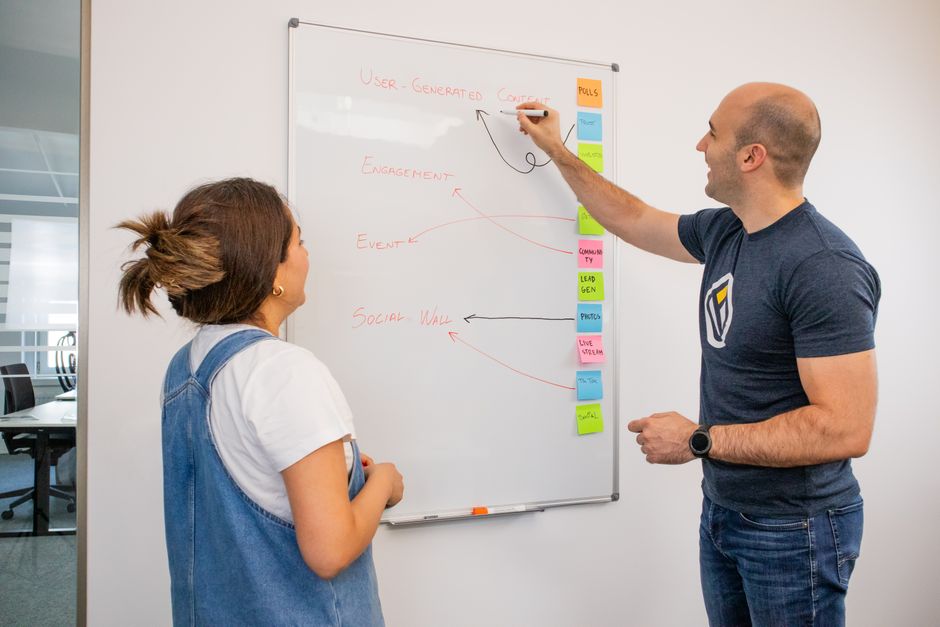
Hootsuite alternatives that fit a small team's budget and workload.
Key Takeaways
- Hootsuite charges per user. Its Standard plan starts around $99 per user per month, so costs rise quickly as you add teammates.
- Most small teams spend their time creating content, not monitoring it. Choose a tool for the work you do every day.
- Per-workspace, per-channel, and per-brand pricing models are often far cheaper for teams of two to five than per-seat billing.
- PostKing ($14.99/month for 3 brands) is the pick if writing content in your own voice is the bottleneck. Buffer and SocialPilot are better for scheduling only. Agorapulse and Sprout Social are better for social listening.
- Before you migrate, check integrations, support quality, and approval workflows. Those matter more than the length of a feature list.
What is a Hootsuite alternative, and why are small teams switching?
A Hootsuite alternative is any social media management tool that covers some or all of Hootsuite's jobs, such as scheduling, publishing, engagement and analytics, but on a different pricing model or with a different focus. Small teams feel the squeeze first, because per-seat pricing turns every new teammate into a bill: Hootsuite's Standard plan starts at $99 per user per month, and the Advanced plan starts at $249 per user per month when billed annually (Nextiva). A three-person team on the entry tier pays $297 a month before adding a freelancer, a client approver or an intern, and each extra login multiplies the total, which makes growth feel like a penalty rather than progress. Forbes Advisor reports a similar entry point for Professional and $249 for Team on annual subscriptions.
Price is only the first complaint. Reviewers also point to the lack of a permanent free plan, an interface that has grown cluttered with modules, and paid listening features that small teams rarely open (Hasan Cagli, 2026).
The switch is rarely about one missing feature. It is about paying enterprise rates for a workflow that mostly needs a calendar, a publisher and a clean report.
What Hootsuite actually costs in 2026
Hootsuite charges per user rather than per team, so its Standard plan is billed for each seat, Advanced at $249 or $399 per user, and Enterprise at roughly $15,000 per year. Published figures disagree, because SocialBee lists $249 per user while Hootsuite's plans page, as shown by RecurPost, lists Advanced at $399 per user, and Hasan Cagli quotes €99 per user monthly for Standard, covering 10 accounts in European listings, while SocialChamp lists the same entry tier in dollars. Treat every number here as a snapshot, and confirm current rates on Hootsuite's own pricing page before budgeting, since vendors change tiers, billing terms and regional currencies without much notice, and third-party roundups often lag behind those updates by several months, which is why the table below records the spread of listed figures for each plan.
| Plan | Listed starting price | Billing basis | Source |
|---|---|---|---|
| Standard / Professional | $99/month (€99 in EU listings) | Per user, billed annually | Nextiva; SocialChamp; Forbes Advisor; Hasan Cagli |
| Advanced / Team | $249/month (some sources list $399) | Per user | Nextiva; SocialBee; Hootsuite plans page via RecurPost |
| Enterprise | Around $15,000/year | Five-user minimum | SocialChamp via Syncly |
| Three-person team, Advanced | €1,197/month (~€14,400/year) | 3 seats | Hasan Cagli |
The same math applies to other tiers. Three Standard seats cost $3,564 a year, while three Advanced seats run $8,964 at $249 or $14,364 at the higher listed rate. Use that $3,564 to $14,400 range as the baseline for every alternative that follows.
How we evaluated each alternative
A fair Hootsuite alternative comparison scores every tool against the same eight criteria: pricing model, content creation, team workflows, engagement and listening, integrations, support, reporting, and future-proofing, so teams of one to fifty can compare like for like. We started from the public roundups published by Zapier and Planable, then folded in what small teams actually complain about: surprise per-seat bills, AI copy that sounds generic, clunky approvals, thin support, and tools that lag when a new network such as Threads arrives. Each criterion below earns its place because a team of one to fifty people feels the cost of a miss within the first month, whether that is a freelancer overpaying for unused channels, a ten-person agency waiting on client sign-off, or a startup discovering a missing channel after the annual invoice has already been paid.
- Pricing model: per user, channel, workspace, or brand, plus annual versus monthly billing and free plan versus trial. The model decides how costs scale as you grow.
- Content creation covers AI writing quality and whether output sounds like your brand or generic AI copy.
- Team workflows mean approval queues, roles, and client access, which keep mistakes off live channels.
- Engagement and listening: a unified inbox, plus listening depth on video-first platforms.
- Integrations include CRM, email, analytics, Canva, and Zapier, so the tool fits the stack you already run.
- Support quality looks at channels, response times, and onboarding help, which small teams rely on heavily.
- Reporting: custom reports and white-label options for agencies.
- Future-proofing checks support for Threads and newer platforms, and how fast the product ships updates.
No tool wins on every criterion, and we say so plainly wherever a strength comes with a trade-off.
Hootsuite alternatives compared side by side
The best Hootsuite alternatives differ mainly on price model, free access, and ideal user: Buffer and Metricool suit solo creators and small brands, SocialPilot and SocialBu suit agencies, and Agorapulse, Planable and Sprout Social suit larger teams. Prices below draw on comparison guides from Planable, SocialBu and Buffer, but plans change often, so confirm every figure on the vendor's own pricing page before you commit to a tool or annual contract. Read the table by asking which constraint matters most to you: budget, approval workflow, inbox management, analytics depth or listening, because every tool here gives up something Hootsuite bundles together, and the trade-off column shows exactly what that is so you can rule options out quickly before starting any free trials, booking demos, or asking your team to learn another dashboard.
| Tool | Starting price (paid) | Free plan / trial | Best for | Main trade-off |
|---|---|---|---|---|
| Buffer | Per-channel pricing (check vendor page) | Free plan available | Solo creators who only need scheduling | Limited AI content depth and no listening |
| SocialPilot | Low flat monthly tier (check vendor page) | Free trial | Budget agencies | Analytics are less deep than enterprise tools |
| Planable | $33/workspace/month | Free trial | Teams with heavy approval loops | Lighter on analytics and listening |
| Agorapulse | Per-user tiers (check vendor page) | Free trial | Community managers who live in the inbox | Per-user cost adds up as the team grows |
| Sprout Social | Premium per-seat tiers (check vendor page) | Free trial | Mid-market teams that need listening | Priced closer to Hootsuite |
| SocialBu | Free plan; agency plan $199/month for 50 accounts | Free plan available | Agencies testing with a real client | Smaller ecosystem |
| Metricool | Low entry tier (check vendor page) | Free plan available | Analytics-first small brands | Collaboration features gated to higher tiers |
1. PostKing: best for founders who need content in their own voice
PostKing is an AI content automation platform that writes and schedules posts, blog articles, and landing pages using models fine-tuned on a founder's own writing, so the output sounds like the founder rather than a template. The real bottleneck for small teams is writing posts, not scheduling them, and that is the gap Hootsuite-style schedulers leave open, because they queue whatever you hand them while the platform drafts the content itself, from LinkedIn, X, Instagram, Threads, and Facebook posts to SEO-focused blog articles and landing pages. Keyword research for SEO and GEO spans 32 country-language markets and content can be written in 6 languages, while the fine-tuning draws on your past posts and brand website, so a founder with three brands can keep each one sounding distinct and consistent without hiring a writer for every channel.
What PostKing is
It replaces the content-creation half of Hootsuite. Teams can manage multiple brands with role-based access, and a review-and-approve workflow stops drafts from publishing before someone signs off.
Pricing
The Growth plan costs $14.99 per month and covers 3 brands. A 7-day trial includes 350 credits, but there is no permanent free plan.
Best for
Founders, solo marketers, and small agencies who know what they want to say but lack the hours to write it for every channel.
Trade-offs to know
- Pro: voice fine-tuned on your past posts and website.
- Pro: one subscription covers social posts, blog articles, and landing pages.
- Pro: multiple brands with role-based access and a review-and-approve workflow.
- Con: no permanent free plan, only the trial.
- Con: no social listening or unified engagement inbox, so teams that live in replies and mentions will still need a separate tool.
2. Buffer: best for simple, low-cost scheduling
Buffer is a social media scheduling tool that charges per connected channel and offers a free plan, making it the best Hootsuite alternative for solo creators and small teams who simply need posts published on time. Its calendar, queue, and composer are deliberately uncluttered, so a new user can connect accounts, draft a week of posts, and schedule them across Instagram, LinkedIn, X, Facebook, and other networks in a single sitting without reading documentation or sitting through a sales demo. Buffer's own Hootsuite comparison and Zapier's roundup both place it among the lighter, friendlier options, one that trades enterprise depth for speed, clear per-channel pricing, and a free tier that is genuinely usable rather than a thirty-day trial in disguise, which usually suits anyone whose main job is publishing, not managing a whole social department.
Pricing
Buffer bills per connected channel, so your cost grows only as you add accounts. A free plan covers a handful of channels with limited scheduled posts. Confirm current paid rates on Buffer's pricing page before you commit.
Best for
Choose Buffer over Hootsuite if you manage a few channels and want predictable costs. It also fits freelancers and small brands that never need approval chains or enterprise reporting.
Trade-offs
- Strength: the interface is fast to learn and pleasant to use daily.
- The free plan lets you test a real workflow before paying anything.
- Team workflows are light, with limited approvals and permission controls.
- Gap: there is no social listening, so brand monitoring needs another tool.
3. SocialPilot: best for agencies on a budget
SocialPilot is a social media scheduler with flat, tiered pricing built for agencies, letting teams manage many client accounts without paying a separate fee for every added user. That structure makes costs easy to forecast. You know the monthly bill before a new client or teammate joins, so margins stay predictable as the roster grows. Per-seat tools work the opposite way. SocialPilot notes that Hootsuite bills per seat from the very first person who logs in. For a five-person agency, that gap compounds fast. Flat tiers also remove the awkward moment of deciding which freelancer or account manager gets a login. Everyone who needs access can have it, and the invoice stays put. That is the core of the agency pitch, and it holds up well against seat-based competitors.
Pricing
Plans scale by the number of connected accounts and workspace features, not by headcount. Agencies pick a tier that matches their client load and add people freely within it.
Best for
Small and mid-size agencies juggling many client profiles get the most value. Client management keeps each brand in its own workspace. Bulk scheduling lets you queue large batches of posts in one upload. White-label reports carry your agency branding into client-facing analytics.
Trade-offs
- Flat tiers and unlimited-style team access keep agency costs predictable.
- Bulk scheduling: large content calendars go live in a single upload.
- White-label reports make client deliverables look like your own work.
- Advanced social listening and enterprise-grade analytics are thinner than in premium suites.
- Interface depth: the dashboard can feel dense when you manage dozens of clients.
- Larger enterprises may outgrow its governance and approval controls.
4. Planable: best for approval-heavy collaboration
Planable is a social media collaboration tool built around approval workflows, priced at $33 per workspace per month, so agencies get client sign-off queues without paying enterprise-suite rates for features they never open. Compare that with the Hootsuite plans page, where a three-person agency running 14 client accounts on Hootsuite Professional pays $597 per month and still gets no approval queue, which means feedback ends up scattered across email threads, chat messages and screenshots. Planable, which costs $33 per workspace per month, puts every draft in a shared feed where clients and teammates comment, request changes and approve posts in context, so each brand gets its own clean review space and nothing publishes without a visible sign-off from the right person, which suits agencies handling many brands with different stakeholders and strict legal or brand review steps.
Pricing
Billing is per workspace, not per seat. Costs follow the number of brands you manage, not the number of reviewers you invite.
Best for
Agencies and in-house teams where clients, legal or managers must approve every post before it goes live.
Trade-offs
- Analytics: reporting is lighter than in dedicated suites, so expect to export data for client reports.
- Social listening and brand monitoring are not core features.
- Per-workspace pricing adds up quickly if you manage dozens of small brands.
- Unified inbox depth trails tools built around community management.
5–6. Agorapulse and Sprout Social: best for inbox and listening depth
Agorapulse and Sprout Social suit teams that need a unified social inbox and real listening tools, but social listening only pays off when someone on the team acts on what it surfaces. Social listening means tracking brand mentions, keywords and competitor chatter across the web, including posts that never tag your account. A small team that publishes three times a week rarely has time to triage that stream. Start by asking who will read the alerts and what decision they will change. Both tools sit closest to Hootsuite's full feature set, which is why roundups such as Zapier's guide to Hootsuite alternatives keep listing them. Video-first platforms deserve a separate check. Before paying, test how each tool handles TikTok and Reels scheduling, comments and reporting, because support there is often thinner than for Facebook or LinkedIn. Confirm current prices on each vendor's page before you buy.
Agorapulse: pricing, best for, trade-offs
Agorapulse prices by user on tiered plans, so check the live pricing page before committing. It is best for agencies and small teams that spend their day replying to comments and messages.
Its inbox pulls comments, DMs and mentions into one queue. Assignment, saved replies and automation rules keep a shared mailbox from turning chaotic.
The trade-off is depth in listening. Keyword monitoring is available, but it is lighter than a dedicated enterprise listening suite. Video publishing works, though TikTok and Reels features can lag behind native apps, so run a trial before you commit.
Sprout Social: pricing, best for, trade-offs
Sprout Social charges per seat, and its entry plans land close to Hootsuite's. Do not expect a bargain. Forbes Advisor covers it among the established Hootsuite alternatives, which fits its premium positioning.
It is best for brands that need polished reporting, smart inbox tagging and, as an add-on, serious listening. Reporting is the standout, since stakeholders can read the dashboards without a walkthrough.
The trade-offs are cost and scope. Each added seat raises the bill, and listening is typically a separate paid module. A three-person team that only needs scheduling and replies will likely overpay.
7–8. SocialBu and Metricool: best free-plan options
SocialBu and Metricool are the best free-plan options for Hootsuite refugees, because a permanent free plan stays usable indefinitely while a time-limited trial expires on a fixed date and forces a paid decision. Hootsuite dropped its free plan, so teams that once ran a handful of profiles at no cost now face either a countdown trial or a monthly invoice, and the difference matters far more than it first appears: a trial lets you test features briefly, but it cannot tell you whether the tool fits your real posting routine across months. A permanent free plan lets you schedule real content, build a posting habit, and watch your analytics for as long as you like, with the trade-off that account limits, publishing caps, and gated features push you toward paying only when your workload genuinely outgrows the free tier, rather than when a calendar says so.
SocialBu: pricing, best for, trade-offs
SocialBu offers a free plan for basic scheduling, and its agency plan runs $199/month for 50 accounts and 20 teams. It suits small agencies and freelancers who want to start free and scale client accounts without switching tools. The trade-off is the jump: the gap between the free tier and the agency tier is wide, so mid-sized teams may pay for capacity they do not use.
Metricool: pricing, best for, trade-offs
Metricool leads with analytics, and its free plan gives you scheduling alongside performance reporting across your networks. It fits marketers who care more about understanding results than managing a busy shared inbox. The trade-off is that free-tier limits on brands, posts, and history are tight, and paid tiers change often, so verify current pricing on Metricool's site before committing.
Support quality, integrations, and white-label reporting decide whether a switch away from Hootsuite sticks, because they determine how well a replacement fits existing CRM, email, analytics, and client workflows. Feature lists look similar on paper, but the gaps appear in daily use: whether a post-approval question gets answered the same day, whether a client report carries your agency logo, and whether a new brand takes minutes or an afternoon to add to the workspace.
How to migrate off Hootsuite and pick a tool that will last
To migrate off Hootsuite, export your analytics and top posts, audit connected profiles, trial a replacement alongside it, rebuild your queue, and cancel before the renewal date so you never pay for an unused plan. Most teams lose time and sleep not on the switch itself but on the surprises: a scheduled post that vanishes, a teammate who loses access, or a year of reporting trapped in a dashboard nobody exported before the contract ended, which is far more painful than any feature gap. Work backwards from the renewal date, leave at least two weeks for a parallel trial, and treat the migration as a small, well-scoped project with one owner, a checklist, and a clear cancel-by date rather than a weekend scramble that gets postponed until the invoice arrives, since auto-renewal quietly locks in another full term.
- Export your Hootsuite analytics and your library of top-performing posts, so benchmarks and proven formats survive the move.
- List every connected profile and who has access, including client logins and approval roles.
- Choose based on your daily bottleneck: creating, approving, or listening.
- Run your pick during its free trial alongside Hootsuite, and judge real publishing rather than demo screens.
- Reconnect profiles, rebuild your queue, then cancel before renewal.
Decide by use case
Solo founders should favor speed of creation, because every minute spent drafting is a minute not spent selling. Agencies need approval flows and white-label client reports.
B2C brands usually need social listening and fast community replies. NGOs should weigh nonprofit pricing and simple permissions for rotating volunteers.
Future-proofing your choice
Check native support for newer platforms like Threads before you sign, and ask each vendor what its AI roadmap includes beyond caption suggestions. Rebuilding the queue is the slowest step, and in practice, tools like PostKing can draft that queue from a brand's existing posts and website instead of starting from a blank calendar.
FAQs About Hootsuite Alternatives
What is the best Hootsuite alternative for small teams?
It depends on your biggest bottleneck. If creating content is what slows you down, PostKing is the strongest fit because it helps you generate posts, blogs, and campaigns instead of only scheduling them. If your main need is simple, reliable scheduling at a low price, Buffer is hard to beat. Start by naming the task that eats most of your week, then choose the tool that removes it.
Is there a free alternative to Hootsuite?
Yes. Buffer, SocialBu, and Metricool all offer free plans with limits on channels, scheduled posts, or features. A free plan has no end date, so you can keep using it as long as you stay within its limits. A free trial gives you full access for a short period, then asks you to pay. For a small team that is just starting out, a free plan is the safer way to test a workflow before you commit to a budget.
How much does Hootsuite cost per month in 2026?
Hootsuite's Standard plan is billed per user per month at the entry price covered above. The Advanced plan starts at $249 or more per user per month, and higher tiers are usually quoted individually. Prices change and depend on billing cycle, so check Hootsuite's pricing page before you budget.
Why is Hootsuite so expensive?
There are two main reasons. First, pricing is per seat, so each person you add multiplies the cost. A team of four on Standard pays about four times the base rate. Second, Hootsuite bundles features such as social listening, deeper analytics, and enterprise controls into its plans. Small teams often pay for tools they never open. Lighter alternatives skip those extras and charge less.
Does PostKing have a free plan?
PostKing does not have a permanent free plan. It offers a 7-day trial that includes 350 credits, which is enough to test content generation and scheduling on your own brand. Paid plans start at $14.99 per month.
Which Hootsuite alternative is best for agencies?
Agencies need client management, approvals, and predictable pricing. SocialPilot is a common choice because it is built for managing many client accounts at a lower cost. Planable stands out for approval workflows, so clients can review and sign off on posts before they go live. SocialBu's agency plan is another budget-friendly option if you manage many accounts. Compare how each handles client seats and white-label reporting before you decide.
Can I move my scheduled posts from Hootsuite to another tool?
Mostly, but not with one click. Export your scheduled posts and content calendar from Hootsuite, usually as a CSV, and use that file as a reference. Then rebuild your queue in the new tool, either by bulk upload where it is supported or by re-entering the posts. Run both tools in parallel during a trial period, and cancel Hootsuite only after your new queue publishes correctly. This keeps you from missing posts during the switch.
Mistakes small teams make when replacing Hootsuite
- Comparing sticker prices instead of team cost: A per-seat plan becomes $300 or more once three people log in. Calculate the cost for your actual headcount and number of channels.
- Paying for listening you'll never use: Social listening matters for brands with high mention volume. Most founders need help creating content, not monitoring it.
- Choosing a scheduler when the real problem is writing: A cheaper calendar doesn't help if the queue is empty. Make sure the tool helps you write posts that sound like you.
- Ignoring approval workflows until something goes wrong: If clients or teammates sign off on posts, confirm the approval flow before you commit, not after a post goes out by mistake.
- Cancelling before exporting data: Export your analytics and top-performing posts first, or you'll lose the history you need to benchmark the new tool.
- Confusing a free trial with a free plan: Trials expire and plans don't. Know which one you're on before you build your workflow around it.
Related Guides
- PostKing vs Hootsuite
- PostKing vs RecurPost
- Buffer Social Media Scheduler Review
- Best Free Social Media Schedulers in 2026
- Social Media Content Creator Tools
Sources
- 15 Hootsuite Alternatives for Better Social Media Management
- SocialPilot
- SocialChamp
- Hasan Cagli
- The 8 best Hootsuite alternatives in 2026
- 7+ Best Free Hootsuite Alternatives Reviewed in 2026
- Hootsuite plans page
- Forbes Advisor
- The 6 Best Hootsuite Alternatives in 2026, Zapier
- 7 Best Hootsuite Alternatives for 2026 (Free + Paid), Buffer
About Dana Willow
Author
Senior Marketer sharing 15 years of marketing wisdom through an AI lens. Teaching founders to automate smarter.