How Does a Nonprofit Use Marketing? 7 Jobs It Does Beyond Fundraising
Turn one-time donors into loyal supporters. See how a nonprofit uses marketing to raise funds, recruit volunteers, and grow trust on a small budget.

Dana Willow
Senior Marketer sharing 15 years of marketing wisdom through an AI lens.
Published on September 27, 2026
Updated on October 10, 2026
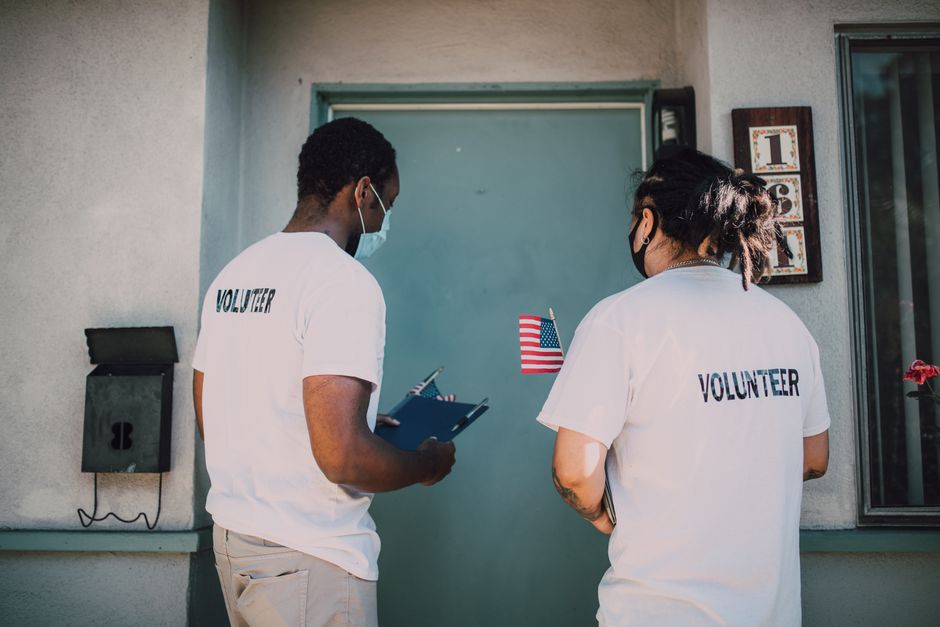
Marketing helps a nonprofit recruit volunteers and build trust, not just raise funds.
Key Takeaways
- Nonprofits use marketing for far more than donation asks. It raises awareness, recruits volunteers, builds trust, and keeps supporters coming back.
- Donor retention is where most nonprofits fall short, so the second gift matters more than the first. Plan marketing around retention, not just acquisition.
- Email is still an owned channel that many nonprofits skip, and most supporters will read your content on a phone.
- A simple donor journey dashboard (discovery, consideration, completion, retention) shows where supporters drop off.
- Small teams can use AI for drafting and scheduling, but the storytelling has to stay human and specific to the mission.
Why nonprofit marketing is really a retention problem
Most donors give once and never return. That single fact should reshape how any nonprofit thinks about marketing. Campaigns built only to attract new names miss the harder, more valuable work: keeping the donors already won. A first gift is cheap to celebrate and expensive to replace, yet many organizations still pour their budget into acquisition while retention quietly erodes. Email remains one of the simplest ways to stay present between asks, but 32% of nonprofits do not invest in email marketing at all. That gap shows up later as lapsed donors nobody re-engaged. Sector-wide data paints a similar picture: growth stalls not from a lack of new donors, but from a failure to hold onto the ones already engaged. Marketing is the ongoing work of turning a single gift into a lasting relationship, not a one-time pitch.
The 7 jobs marketing does for a nonprofit
Marketing serves donors, volunteers, partners, and beneficiaries alike. A nonprofit's marketing function encompasses seven distinct jobs, each with its own audience, channel, and success metric. Treating "marketing" as a single blob of social posts and newsletters is why so many teams struggle to prove impact. According to Investopedia, nonprofit marketing exists to promote a mission and drive the specific actions that sustain it, not just to build a following. Splitting the work into jobs forces clarity: awareness campaigns shouldn't be judged by donations, and retention emails shouldn't be judged by reach. Each job below targets a different audience segment, uses a different primary channel, and rolls up to a different number. Mapping them out also exposes gaps, many organizations pour resources into acquisition while starving retention and advocacy. The table gives a working reference for assigning ownership, budget, and reporting per job, instead of lumping everything under one vague "grow our brand" goal.
| Marketing job | Who it targets | Primary channel | Metric to track |
|---|---|---|---|
| Raise awareness of the cause | General public, local community | Social media, PR, website content | Reach, new site visitors |
| Acquire first-time donors | Warm prospects, event attendees | Landing pages, campaigns, paid social | Cost per new donor |
| Retain and upgrade donors | Existing donors | Email, impact reports | Donor retention rate |
| Recruit volunteers | Local supporters, students, professionals | Social posts, community groups, email | Volunteer sign-ups |
| Build trust and credibility | Donors, grantmakers, partners | Blog, annual reports, testimonials | Return visits, grant success |
| Advocate for policy or behavior change | Public, decision-makers | Social, email petitions, media | Actions taken |
| Reach beneficiaries and program users | People the nonprofit serves | Website, local outreach, mobile | Program enrollments |
Assigning one owner per job prevents the common trap of one team handling all seven with a single content calendar. Salesforce's nonprofit marketing guide frames this as matching message and channel to each audience's stage in the relationship.
A donor acquisition email reads very differently from a beneficiary outreach flyer. Review this table quarterly, since staffing and channel mix shift as programs grow.
Mapping the donor path from discovery to repeat gift
Track four stages, not just total dollars raised. Discovery, consideration, completion, and retention each behave differently, and lumping them into one fundraising total hides exactly where supporters quietly disappear. A blog post might pull in hundreds of new visitors while the donation form loses most of them before payment. Total-giving figures can rise even as retention quietly erodes underneath, masking a leaky middle stage. The Nonprofit Marketing Guide frames this as treating supporters like a funnel rather than a single pool of donors. Breaking the process into stages turns one vague number into four diagnosable checkpoints, each with its own tactics and its own metric to watch weekly.
| Journey stage | Inbound tactics | Outbound tactics | Dashboard metric |
|---|---|---|---|
| Discovery | SEO blog content, shareable stories | Events, partnerships, paid ads | New visitors and followers |
| Consideration | Impact pages, testimonials, FAQs | Retargeting, direct outreach | Donation page visits |
| Completion | Mobile-friendly donation form | Campaign deadlines, matching gifts | Donation conversion rate |
| Retention | Newsletter, impact updates | Thank-you calls, recurring-gift asks | Second-gift rate, retention rate |
Inbound vs. outbound: when to use each
Inbound content earns attention over time.
Outbound tactics create urgency right now.
Use inbound work, blog posts, impact pages, newsletters, to build the audience that finds an organization on its own terms. Layer outbound pushes like matching-gift deadlines or thank-you calls on top when a stage needs a deliberate nudge. The HubSpot Blog notes lean teams get the most traction pairing both rather than picking one.
Setting local benchmarks instead of global averages
Industry averages rarely fit a specific donor base or cause size. Compare each stage against last quarter's own numbers instead of an outside benchmark. That local baseline shows real drop-off points worth fixing first.
How to turn first-time donors into second-time donors
The first 90 days decide whether donors return. Most first-time gifts arrive with genuine emotion behind them, but that emotion fades fast without follow-up. Nonprofits that treat the first gift as the start of a relationship, and not merely the end of a transaction, see far more repeat support. The sector's own retention data shows how much is lost when organizations skip this step, since a large share of new donors never give again after year one. Small, budget-conscious teams can close this gap without new headcount by sequencing a few deliberate touches. A generic receipt reads as bureaucracy, while a specific thank-you reads as relationship. The steps below follow the order that matters most: gratitude first, then proof, then a low-effort ask, then the second gift request.
- Send a personal thank-you within 48 hours, not just an automated receipt.
- Start a 3–4 email welcome series that shows exactly where the gift went.
- Share one concrete impact story before making any new ask.
- Invite a low-effort action, like following, sharing, or attending, before asking for a second gift.
- Offer a recurring-gift option framed around a specific, named outcome.
- Segment first-time donors so they don't get the same messages as long-time supporters, a tactic Mailchimp's charity marketing guidance flags as key to retention (mailchimp.com).
Email and mobile: the channels small nonprofits underuse
Email remains the most direct line to supporters. Unlike social feeds, it isn't rented or filtered by an algorithm deciding who sees a post. A well-kept list reaches inboxes on demand, which makes it one of the few channels a small team fully controls. Yet many nonprofits treat it as an afterthought, sending appeals only during year-end campaigns instead of building a steady rhythm. Mobile compounds the stakes: mobile phones account for over 60% of annual internet traffic (Digital marketing for nonprofits), so a newsletter or donation form that renders awkwardly on a phone loses supporters before they finish reading. Mailchimp's charity marketing guidance stresses that consistency and simplicity beat clever design. Small nonprofits that treat email and mobile as core infrastructure, not side channels, tend to retain more of the attention they already earned.
- Send a monthly impact newsletter as the baseline message, so supporters expect and recognize it.
- Segmentation: separate donors, volunteers, and newsletter-only subscribers so messages match what each group cares about.
- Design single-column, thumb-friendly layouts for both emails and donation forms.
- Give every message one clear call to action instead of competing links.
Choosing social platforms without spreading your team thin
Two well-run platforms beat five neglected ones. Small nonprofit teams often try to maintain a presence everywhere, then watch every account go stale from neglect. A sharper approach is picking the two platforms where your actual donors and volunteers spend time, then building a rhythm you can sustain. Established channels like Facebook and Instagram still reach the broadest mix of donors and event-goers, while LinkedIn works better for board recruitment and grant conversations. Newer spaces like Threads and cause-specific Reddit communities reward organizations willing to show up as helpful, transparent voices rather than broadcasters. According to AFP Global, nonprofits that diversify their outreach tactics tend to build stronger, more resilient donor relationships than those relying on a single channel. The table below breaks down what each platform is actually good for, so you can match effort to audience instead of guessing.
| Platform | Best for | Content that works | Effort level |
|---|---|---|---|
| Local community, older donors, events | Event posts, fundraiser updates | Medium | |
| Visual causes, younger supporters | Behind-the-scenes photos, short video | High | |
| Corporate partners, board recruits, grantmakers | Impact data, leadership stories | Low to medium | |
| Threads | Early conversation with engaged followers | Quick updates, questions, advocacy | Low |
| Niche communities tied to the cause | Helpful answers, AMAs, transparent updates | Medium |
Once you've picked your two platforms, the real work is adapting one impact story into each format rather than writing separate content from scratch. A single field update can become a photo carousel on Instagram, a data-backed post on LinkedIn, and a quick Threads note the same week. In practice, tools like PostKing handle that reformatting automatically, generating platform-native variations from one source story so a two-person team can show up consistently without burning out. PostKing for nonprofits and NGOs shows how that looks for donor updates and volunteer posts.
Using marketing to recruit and keep volunteers
Volunteers are often your most loyal future donors. Treating volunteer communication as a marketing function, not just a scheduling task, keeps people engaged long after their first shift ends. The same content calendar that recruits donors can recruit hands-on help, recognize contributions publicly, and nudge volunteers toward giving or advocacy. Nonprofits that align these efforts see stronger retention because people feel seen, not just scheduled. As the Nonprofit Marketing Guide notes, consistent, story-driven outreach builds the kind of trust that turns one-time helpers into repeat supporters. This works best as a system rather than a one-off campaign.
- Write role-specific recruitment posts that state the exact time commitment upfront, not vague appeals for "help."
- Volunteer spotlights: short profiles that double as social proof for prospective donors and recruits alike.
- Maintain a separate email segment just for volunteers, with updates on the impact of their specific work.
- Invite volunteers to share campaigns with their own networks, extending reach beyond your existing list.
A lean marketing system for small teams
Automate the drafting; keep the storytelling human. Small nonprofit teams rarely lack ideas, they lack the hours to turn stories into finished content every week. A lean system starts with one weekly story or data point, then maps it across a simple content calendar covering blog, email, and two social platforms. That single source becomes the seed for a week's worth of posts, so nobody stares at a blank page on Monday. Batching the drafting and scheduling in one sitting protects the rest of the week for actual program work, donor calls, and volunteer coordination. HubSpot frames this kind of lean marketing machine as the only realistic option when headcount is tight, and Nonprofit Tech for Good makes the same case for planning content in advance rather than posting reactively. The goal is consistent content that still sounds like the organization telling it, week after week.
AI earns its place here as a drafting assistant, not a storyteller. It can turn one field interview into a blog outline, a donor email, and two social captions within minutes, and it can help segment supporters for smarter targeting, a habit Mailchimp ties directly to stronger donor engagement on limited budgets. But every draft still needs a human pass for mission-specific details, real names, and the phrasing only staff who lived the story would use.
Generic AI copy reads the same across a thousand nonprofits, while a genuine voice makes a supporter feel personally thanked. In practice, tools like PostKing help by generating first drafts that already carry an organization's established tone, so editing takes minutes instead of a full rewrite.
- Collect one field story or data point per week.
- Plan the week's content across blog, email, and two social platforms.
- Use AI for first drafts, summaries, and audience segmentation.
- Edit every piece for mission-specific details and your organization's voice.
- Schedule in batches and review the donor journey dashboard monthly.
FAQs: how nonprofits use marketing
What is the main purpose of marketing for a nonprofit?
Nonprofit marketing exists to build awareness of a cause, attract and retain donors, recruit volunteers, and build public trust in the organization's work. Unlike a business promoting a product to drive sales, a nonprofit uses marketing to advance its mission, every campaign, post, and email is judged by whether it moves people closer to supporting or believing in the cause, not by how much revenue it generates directly.
How much should a small nonprofit spend on marketing?
There's no universal dollar figure, but small nonprofits should start by maximizing owned channels, their website, email list, and social profiles, before spending on ads. These channels cost time rather than money, and a consistent investment of staff or volunteer hours in content and outreach often delivers more return than a small ad budget spread too thin. Paid promotion is worth adding once organic efforts are consistent and there's a clear campaign or event to boost.
Which marketing channel works best for nonprofits?
It depends on the goal. Email tends to work best for donor and volunteer retention because it reaches people who've already engaged and can be personalized around their giving history. Social media, on the other hand, is stronger for discovery, reaching new people who haven't heard of the organization yet through shareable stories, updates, and community engagement. Most effective nonprofit strategies use both together rather than picking just one.
How is nonprofit marketing different from business marketing?
Nonprofit marketing has to speak to multiple audiences at once, donors, volunteers, beneficiaries, and community partners, each with different motivations. It also sells impact rather than a product: the "offer" is the change a supporter's time or money helps create. And because nonprofits ask people to give without a direct product in return, everything is more trust-driven, relying heavily on transparency, storytelling, and credibility rather than features or price.
Can nonprofits use AI for marketing without losing authenticity?
Yes, as long as AI stays in a supporting role. It's well suited to drafting first versions of newsletters or social captions, segmenting donor lists, and speeding up repetitive tasks. The stories that actually move people, a volunteer's experience, a beneficiary's outcome, an organization's real impact, should still be written and edited by humans who know the details firsthand, so the final message stays genuine and accurate.
Nonprofit marketing mistakes that quietly drain donors
- Treating marketing as a once-a-year fundraising push: Campaign-only marketing leaves supporters in silence between asks, which makes them far less likely to give again.
- Measuring only total dollars raised: Total giving can hide falling retention and rising acquisition costs. Track the second-gift rate and cost per new donor as well.
- Skipping email entirely: Without an owned list, every update depends on social algorithms you don't control.
- Trying to be on every social platform: Small teams stretched across five platforms post inconsistently everywhere. Two well-run channels outperform scattered effort.
- Publishing generic AI copy: Vague, overexcited language erodes the trust donors place in a mission. Every piece needs real stories and your organization's own voice.
- Forgetting volunteers in the marketing plan: Volunteers who never hear about their impact drift away, taking potential donations and referrals with them.
Sources
- Nonprofit Tech for Good Report
- Digital marketing for nonprofits | A guide
- The Nonprofit Marketing Guide, Salesforce
- Nonprofit Marketing: Definition, Strategy, & Effective Campaign Types, Investopedia
- Charity Marketing on a Budget: Effective Strategies | Mailchimp
- Nonprofit Marketing: Unique Tactics to Add to Your Strategy
- 5 Keys to Building Your Nonprofit Marketing Plan, HubSpot Blog
About Dana Willow
Author
Senior Marketer sharing 15 years of marketing wisdom through an AI lens. Teaching founders to automate smarter.