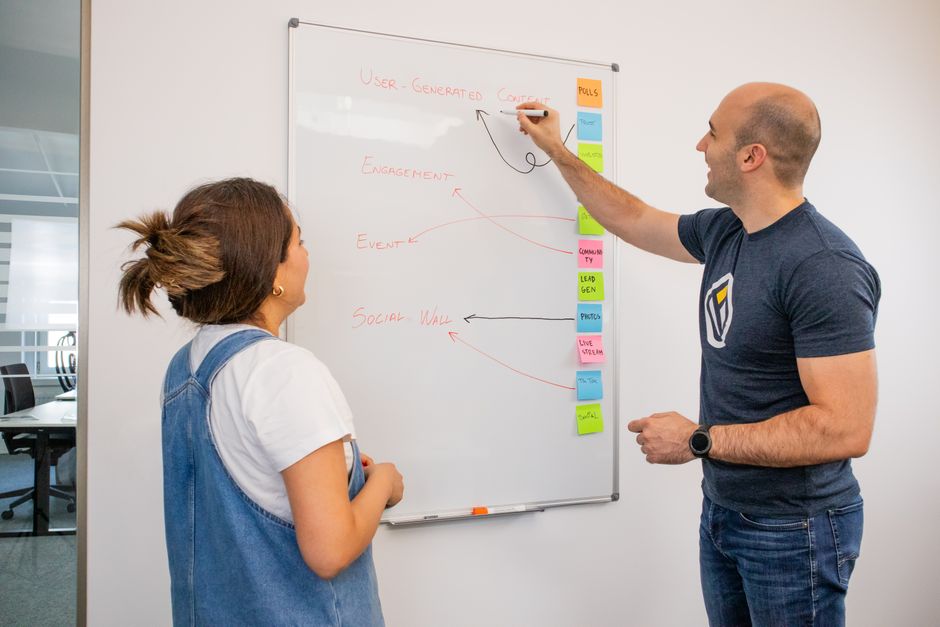

Brand Truths: The Facts Your Content Can't Get Wrong
PostKing 0.2 introduces Brand Truths: automated content that actually sounds like you. Here's what changed and why it matters for founders.

Dana Willow
Senior Marketer sharing 15 years of marketing wisdom through an AI lens.
Published on July 1, 2026
Updated on September 27, 2026
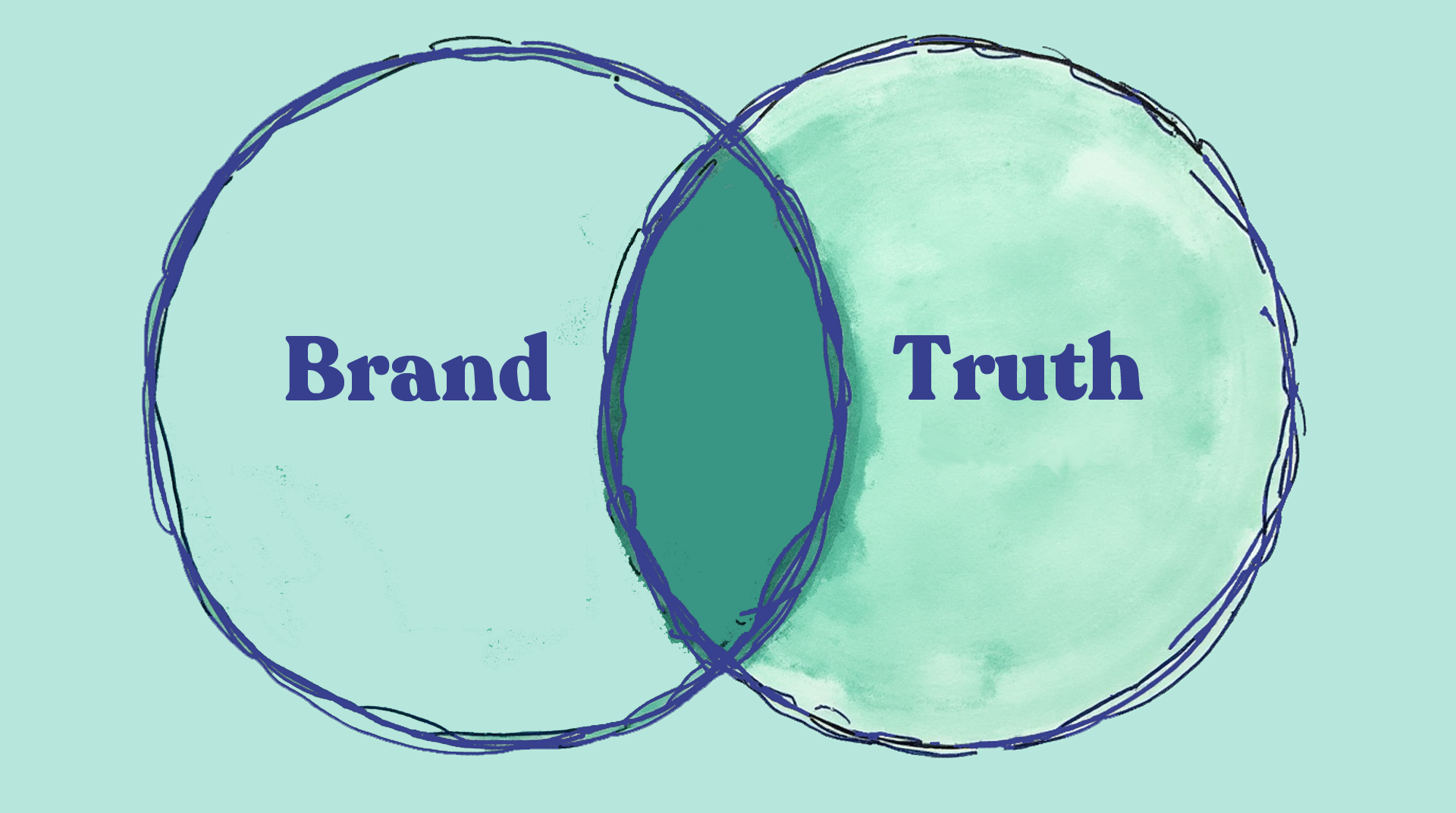
Photo by The power of authenticity in brand marketing and storytelling | Good Gravy
I built PostKing because I kept shipping products into silence. Good products, real work, zero distribution. The problem wasn't the writing itself. It was that I didn't have time to write consistently, and every automation tool I tried produced content that sounded like it was written by a committee that had never met me.
PostKing 0.2 is the version where we tried to fix that properly. The feature is called Brand Truths, and it's worth explaining what it actually is, not just what it sounds like in a changelog.
The Problem With "Automated" Brand Voice
 Brand Truths onboarding — structured brand profile fields
Most content automation tools let you paste in a URL or write a two-sentence description of your brand. Then they generate content in a generic "professional" tone and call it personalized.
It's not. It reads like every other SaaS blog post. Same structure, same rhythm, same slightly hollow confidence. Your audience notices, even if they can't name why they're not reading past the first paragraph.
The actual problem is that brand voice isn't a tone setting. It's a set of specific beliefs your company holds, positions you take on real things, details only you would know. A writing tool can't fake that without raw material from you.
That's what Brand Truths is built around. It asks you to supply the raw material, and then it holds that material constant across every piece of content PostKing generates.
What "Brand Truths" Means, Concretely
The name is a bit abstract, so here's the practical version. When you set up Brand Truths in PostKing 0.2, you're filling out a structured profile that covers a few specific areas.
Your actual positions
Not your values (every company claims integrity and customer obsession). Your positions. Concrete stances on things that matter in your category. If you're a project management tool, do you think daily standups are mostly theater? Say that. If you're a bookkeeping app for freelancers, do you think most accountants overcomplicate quarterly tax prep? Write it down.
These positions give the content engine something real to work with. They're the difference between a blog post that could have come from anyone and one that reads like it came from a company with an actual point of view.
Your language patterns
Words you use. Words you'd never use. The level of technical depth your audience expects. Whether you write numbers as digits or spell them out (we use digits, for what it's worth). Whether you use "we" or "I" or both depending on context.
This sounds small. It's not. Consistency in language is how readers build a mental model of who you are. Break it once and they don't notice. Break it across 40 blog posts and your brand feels like it was assembled from parts.
Your audience's specific frustrations
Not "pain points" in the abstract. Specific frustrations your actual users have expressed, in the kind of words they'd use. If you've run customer interviews, this is where those notes really earn their keep. If you haven't, this is a good reason to do a few.
When the content engine knows these frustrations precisely, it can write introductions that make your readers feel seen instead of just addressed.
How It Works Inside PostKing
Once you've built out your Brand Truths profile, it travels with every content request you make. You're not re-entering context each time. The profile is baked into the generation layer, so a LinkedIn post, a blog intro, and an email subject line all share the same foundation.
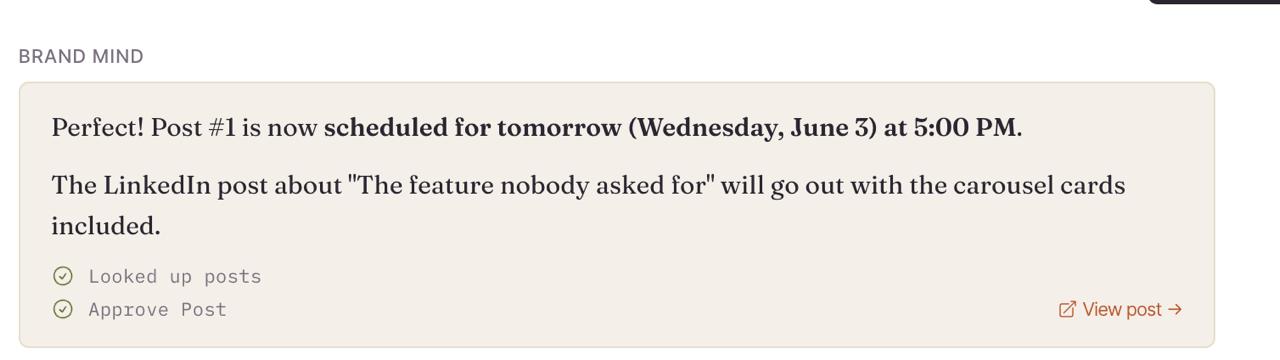 Brand Truths profile editor — language patterns and position settings
The practical result is consistency at a volume that would otherwise require either a full-time content team or an enormous amount of your own time. Many founders we've spoken to were spending hours every week either writing content from scratch or rewriting AI-generated content until it sounded like them. Brand Truths is supposed to compress that second step significantly.
It doesn't eliminate editing. You'll still read through outputs and adjust. But the gap between what the tool produces and what you'd actually publish gets noticeably smaller when the engine is working from your specific material instead of generic brand-voice assumptions.
A Real Example of the Difference
Here's a before/after that shows the gap clearly.
Without Brand Truths, a PostKing prompt to write a blog intro for a no-code tool targeted at freelancers might produce something like:
"Running a freelance business requires wearing many hats. From client management to project delivery, staying organized is key to success..."
Readable. Inoffensive. Completely forgettable.
With Brand Truths filled out with real positions (say, "most freelancers overbuild their systems before they have enough clients to justify them") and real language patterns, the same prompt produces something closer to:
"Most freelancers I talk to have spent more time building their Notion dashboard than they've spent on their last 3 proposals. The system isn't the problem. The delay is."
That's not a perfect sentence. But it has a position. It uses the language of the brand. It's written for a specific person who will recognize themselves in it. That's what Brand Truths makes possible.
Best Practices for Setting Up Brand Truths
A few things that make the profile work better in practice.
Be specific about what you disagree with
Controversy isn't required. But mild, well-reasoned disagreement with conventional wisdom in your category is one of the most reliable ways to generate content that gets read and remembered. Don't just list your beliefs; list at least 2 or 3 things you think your industry gets wrong.
Pull language from real customer conversations
If a customer described your product as "the first tool that didn't make me feel stupid," that phrase is worth more than anything you could write from scratch. Get it into your Brand Truths profile. The content engine will pattern-match against it.
Update the profile when your thinking changes
Brand voice isn't static, especially for early-stage products. PostKing 0.2 makes it easy to edit your Brand Truths profile at any point. If you've shifted your positioning after talking to 50 more customers, update the profile before your next content batch. Stale Brand Truths produce stale content.
Don't treat it like a form to fill out fast
The quality of what you put in directly determines the quality of what comes out. Spending 45 minutes building a thorough Brand Truths profile is probably worth more than the next 5 hours of manually editing generic AI content. Treat it like the asset it is.
Why This Matters for Founders Today
There's research from content marketing practitioners at Content Marketing Institute showing that audience trust is built through consistency of voice and perspective over time, not through volume of content alone. Publishing 4 posts a week in a voice that doesn't sound like you can actively erode trust rather than build it.
For indie founders and small teams, this is a real constraint. You can't hire a content team to maintain brand consistency at scale. You probably can't write everything yourself either. The tools that promise to solve this usually do so by sacrificing the thing that makes your brand worth reading in first place.
PostKing 0.2's Brand Truths is our attempt to resolve that tension. Not by pretending automation can replace your perspective, but by making your perspective the engine's starting point rather than an afterthought.
It's version 0.2. There are rough edges. Some content outputs will still need work. But the foundation is different from what most tools offer, and that foundation matters more than any individual feature.
Where to Go From Here
If you're already on PostKing, the Brand Truths setup is in your account settings under "Brand Profile." Block out an hour, treat it seriously, and then run a content batch to see what comes back.
If you're new, the setup flow walks you through the profile before you generate anything. That's intentional. We wanted Brand Truths to be the first thing you do, not an optional step you skip.
The changelog for 0.2 covers the other updates in this release. Brand Truths is the one that changes how the whole system behaves, so it's where we wanted to start the explanation.
More versions are coming. The goal is always the same: content that compounds your brand over time instead of diluting it.
About Dana Willow
Author
Senior Marketer sharing 15 years of marketing wisdom through an AI lens. Teaching founders to automate smarter.