Content Automation Platform for Small Businesses: A Scalable Marketing Solution
Discover how a content automation platform can transform your small business marketing. Learn to choose the right one for scalable growth, increased

Dana Willow
Senior Marketer sharing 15 years of marketing wisdom through an AI lens.
Published on July 16, 2026
Updated on September 27, 2026
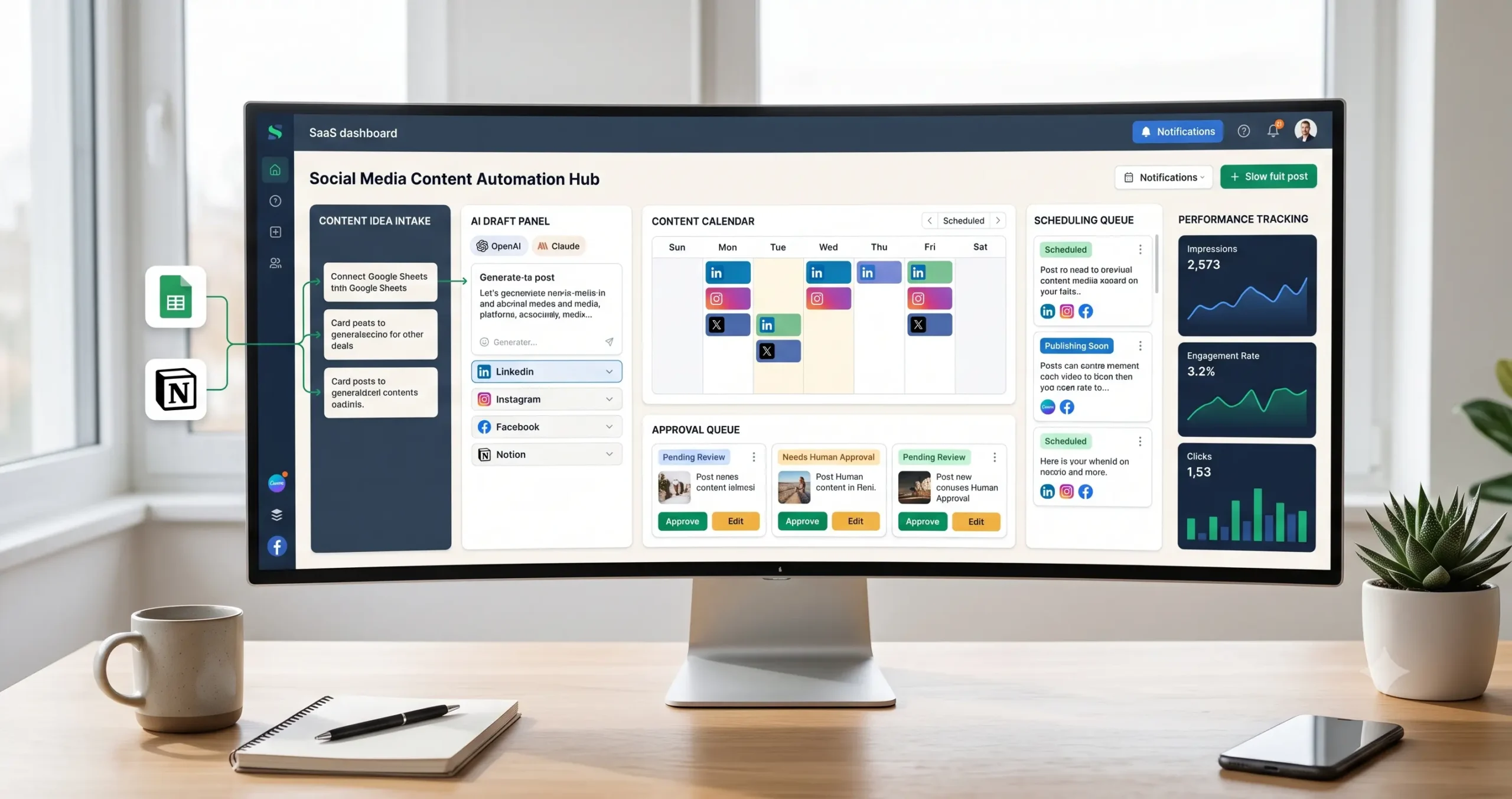
Content Automation Platform for SME
Key Takeaways
- Select a platform that integrates with your existing tools.
- Start with a limited scope to measure ROI before scaling.
- Consider compliance with data protection regulations.
Introduction to Content Automation for SMBs
Manual content management hinders SMB growth by consuming hours that small teams simply cannot afford to lose. Every blog post scheduled by hand, every social update drafted from scratch, every follow-up email written individually - it adds up fast. Small businesses are competing against larger brands with dedicated marketing departments, yet most SMB owners are managing content alongside operations, sales, and customer service simultaneously. That gap is exactly where content automation steps in, leveling the playing field without requiring enterprise-level budgets or headcounts. Salesmate.io reports that 63% of businesses using marketing automation see increased engagement within the first six months (Salesmate.io, 2026). That is not a marginal gain - it is a structural advantage.
The Struggle is Real: Manual Content Management
Posting inconsistently, missing follow-up windows, and duplicating effort across channels are symptoms of the same root problem. Manual workflows do not scale.
Automation removes the bottleneck, freeing SMBs to focus on strategy and relationships instead of repetitive execution.
Key Features of an Ideal Content Automation Platform
Automation without sacrifice of brand voice - that is the real test of any content platform worth adopting. Most small businesses abandon automation tools not because they lack features, but because the output sounds generic. The best platforms solve this by learning your tone, vocabulary, and messaging style before generating a single word. Salesmate.io reports that 63% of businesses using marketing automation see increased engagement within the first six months - a result that depends heavily on content feeling authentic, not robotic.
- Brand Voice Replication: The platform ingests your existing content and mirrors your unique tone across every output - emails, social posts, and blog drafts all sound unmistakably like you.
Generic AI copy erodes trust. Consistent voice builds it. - Cross-Platform Compatibility: A strong platform publishes seamlessly to email, social, and web without manual reformatting. Gumloop notes that Zapier alone integrates with over 6,000 apps - the ecosystem standard keeps rising.
- AI-Driven Content Suggestions: Smart platforms don't wait for instructions. They surface trending topics, flag content gaps, and recommend publishing schedules based on your audience's actual behavior patterns.
Together, these three features transform automation from a time-saver into a genuine growth engine. Platforms missing even one of them force workarounds that eat back every hour saved.
Use Cases: Success Stories & Tangible Benefits
From abandoned carts to welcomed customers, marketing automation turns missed moments into measurable revenue. Small businesses once relied on manual follow-ups and gut instinct to recover lost sales. Today, automated workflows handle those moments instantly - catching buyers at exactly the right time, with the right message, without any human intervention required. The gap between a forgotten cart and a completed purchase now closes in minutes, not days, and welcome sequences greet new subscribers before curiosity fades.
Abandoned Cart Recovery
Cart abandonment is painful, but it is also predictable - which makes it perfect for automation. A triggered email sequence, launched within an hour of abandonment, reminds shoppers what they left behind and often includes a small incentive to return.
The results speak clearly. One small business owner on Reddit r/smallbusiness documented generating a $270,000 pipeline from just $70 in ad spend - powered entirely by a simple lead-response automation.
Manual follow-up at that scale is simply impossible for a lean team.
Welcome Flow Optimization
First impressions compound. A well-structured welcome flow introduces your brand, sets expectations, and nudges new subscribers toward their first purchase - all automatically.
The numbers validate the investment. According to Klaviyo's latest email marketing benchmarks, the top 10% of welcome flows achieve an average placed order rate of 9.89%.
A mediocre welcome flow leaves that revenue sitting uncollected.
Across both use cases, the pattern is identical: define the trigger, build the sequence once, and let automation do the rest. Small teams gain enterprise-level reach without enterprise-level headcount.
Choosing the Right Platform for Your Small Business
Budget, feature depth, and scalability are the three forces that determine whether a marketing automation platform lifts your business or quietly drains it. Most small businesses overpay for features they never touch, or underpay for tools that collapse the moment growth accelerates. The right platform fits where you are today and stretches to where you want to be in twelve months. Getting this decision wrong means migrating mid-campaign - an expensive and disruptive reset no small team can afford.
- Assess Your Budget: Start with total cost of ownership, not just the monthly subscription. Factor in onboarding, add-ons, and per-contact pricing tiers. Many platforms look affordable at launch but scale costs sharply as your list grows.
- Evaluate Integration Needs: Count the tools you already rely on - CRM, e-commerce, scheduling, analytics. Zapier alone connects over 6,000 apps, so prioritise platforms that connect natively rather than through expensive middleware. A broken platform breaks your entire workflow.
- Consider Scalability: Choose a platform that grows with you. 63% of businesses using marketing automation see increased engagement within the first six months - meaning your contact volume will likely jump faster than you expect. Confirm contact limits, automation caps, and user seat costs before committing.
Run a structured trial period. Test the features you will actually use on day one, not the flashy demos. A platform that fits your workflow beats a feature-packed one that your team ignores.
The Role of AI in Content Automation
AI enhances, not replaces, the human touch - and that distinction matters more than any feature list. Smart automation handles the repetitive work: drafting subject lines, scheduling sends, personalizing product recommendations, and segmenting audiences at a scale no human team could match. The result is faster output with fewer errors. Yet the strategy, the brand voice, and the empathy behind every message still require human judgment. AI gives you speed; you provide meaning.
The market reflects this shift. The global marketing automation software market was valued at USD 7.23 billion (Fortune Business Insights), signaling that businesses worldwide are betting on AI-assisted workflows. That investment is not accidental.
Where AI struggles is nuance. Humor, cultural sensitivity, and crisis messaging can misfire when left entirely to algorithms.
Where AI excels is consistency - delivering the right content at the right moment, every time, without fatigue.
The practical playbook: automate the routine, review the creative, and always let a human approve anything that touches brand reputation directly.
Compliance & Data Privacy in Automation
Confirm your content automation platform adheres to strict compliance and data privacy standards - because a single breach can erase trust, trigger regulatory fines, and permanently damage your brand reputation. Regulations like GDPR, CCPA, and CAN-SPAM govern how automated systems collect, store, and process user data. Choosing a platform that builds compliance into its core architecture - not as an afterthought - protects both your business and your audience. Look for tools offering data encryption, consent management, and clear audit trails.
Automation scales everything, including mistakes. A misconfigured workflow can send unsolicited emails to thousands of unsubscribed contacts, exposing you to serious legal liability.
Review your vendor's data-processing agreements carefully. Confirm servers are hosted in compliant regions.
Speed and scale are the appeal of automation - legal exposure is the hidden cost of cutting corners on privacy.
Top Tools Compared: Pros, Cons, & Pricing
Compare Before You Commit. Choosing the wrong platform wastes budget and momentum - two things small businesses can rarely afford. The global marketing automation software market reached USD 7.23 billion (Fortune Business Insights, 2026), which means vendors are competing hard for your subscription. That's good news: pricing has become more flexible, and feature sets have expanded dramatically. But more options also mean more noise. The table below cuts through that noise, mapping each platform's strengths directly against what SMBs actually need - lean budgets, fast setup, and results that justify every dollar spent.
No single tool wins every category. The right choice depends on where your team's biggest gap sits right now.
| Tool | Key Features | Best For | Pricing (Starting) |
|---|---|---|---|
| PostKing | AI Content Generation, Brand Voice Replication | SMBs needing consistent, on-brand social and email output without a full creative team | Custom Quote |
| HubSpot | Full Marketing Suite - CRM, email, landing pages, analytics | Growing teams that need an all-in-one hub and can absorb a learning curve | $20/month |
| Zapier | Workflow automation across 6,000+ app integrations | Businesses stitching together existing tools without custom code | Free tier available |
| Klaviyo | Email and SMS flows, deep e-commerce segmentation | Product-based SMBs prioritising revenue-driven sequences | Free up to 250 contacts |
How to Read This Comparison
Pricing is only one variable. A $20/month tool that takes three months to configure may cost more than a higher-priced platform that ships results in week one.
- PostKing: Best when brand consistency and AI-assisted content creation are the core priority - ideal for lean teams.
- HubSpot: Powerful but broad; 63% of businesses using marketing automation report stronger engagement within six months, and HubSpot's ecosystem supports that ramp-up.
- Zapier: A connector, not a marketer - pair it with a content or CRM tool for full coverage.
- Klaviyo: Strongest for e-commerce flows; thinner on social and ad automation.
Start with the channel that drives the most revenue today.
Then layer in additional platforms only once that channel is fully automated.
Getting Started on a Limited Budget
Start Small, Scale Up. Budget constraints should not stop you from automating smarter. The right entry point is a focused one - pick one workflow, prove it works, then expand. Salesmate.io reports that 63% of businesses using marketing automation see increased engagement within the first six months, which means even modest investments can deliver measurable results quickly. The key is knowing exactly where to start before spending a single dollar.
Step 1: Identify Core Needs
Before evaluating tools, map your biggest time drain. Is it lead follow-up? Email sequences? Social scheduling? Narrowing this down prevents overpaying for features you will never use.
- Identify Core Needs: List the three repetitive tasks consuming the most of your week, then rank them by revenue impact.
- Use Free Trials: Most platforms offer 14-30 day trials. Test two or three tools against your actual workflows before committing to a paid plan.
- Scale Gradually: Begin with one automation, measure the outcome, then layer additional workflows as confidence grows.
Step 2: Build Integrations Early
Free tiers often connect to the tools you already use. Gumloop notes that Zapier integrates with over 6,000 apps, meaning your starter stack can punch well above its price point.
Step 3: Measure Before You Upgrade
Track one metric per automation - open rate, reply rate, or bookings generated. Numbers justify the next tier. Gut feelings do not.
Data-driven upgrades protect your budget. Emotion-driven upgrades drain it.
Common Pitfalls & Overcoming Them
Learn from Others' Mistakes. Most small businesses that struggle with marketing automation fail for the same predictable reasons: they automate too much too soon, neglect their contact lists, or chase features instead of outcomes. Avoiding these traps doesn't require a consultant or a big budget - it just requires knowing where the danger is. The good news is that each pitfall has a straightforward fix, and the businesses that course-correct early tend to see 63% increased engagement within the first six months (Salesmate.io, 2026).
The Most Common Mistakes
- Automating a broken process: If your follow-up emails aren't working manually, automating them just sends bad messages faster. Fix the message first.
- Dirty contact lists: Unverified or outdated contacts tank deliverability. Audit your list before launching any sequence.
- Tool overload: Signing up for five platforms and mastering none is a budget drain. Start with one workflow, prove its value, then expand.
- No clear goal per automation: Every sequence needs a single measurable outcome - a booking, a reply, a purchase. Vague goals produce vague results.
- Ignoring the data: Open rates and click-throughs tell you what's working. 50% of marketers rank conversion rate optimization as their second-most-used technique (HubSpot State of Marketing Report, 2026) - yet many SMBs never check their stats at all.
The pattern across all these mistakes is the same: rushing to scale before validating the basics. Build one automation that genuinely works.
Then build the next one on that foundation.
FAQs about content automation platform
What is the primary benefit of using a content automation platform for SMBs?
The primary benefit of using a content automation platform for small and medium-sized businesses lies in two powerful advantages: scalability and consistency. From a scalability standpoint, these platforms allow SMBs to produce high volumes of content across multiple channels - blogs, social media, email campaigns, and more - without proportionally increasing headcount or budget. As your business grows, the platform grows with you, handling greater content demands effortlessly. On the consistency front, automated platforms ensure every piece of content adheres to the same publishing schedule, tone guidelines, and quality standards, eliminating the gaps and irregularities that often plague small teams managing content manually. Together, these benefits give SMBs a competitive edge typically reserved for larger enterprises with dedicated marketing departments.
How to ensure brand voice is maintained with AI-generated content?
Maintaining a consistent brand voice with AI-generated content comes down to two key factors: strategic platform selection and custom training. First, when choosing a content automation platform, prioritize solutions that offer robust brand voice configuration tools - including style guide settings, tone settings, and vocabulary controls. Not all platforms are built equal, so select one that explicitly supports brand customization rather than relying solely on generic AI outputs. Second, invest time in custom training your chosen platform using your existing high-performing content, brand guidelines, and approved messaging frameworks. Many leading platforms in 2026 allow you to feed sample content and define persona parameters so the AI learns to mirror your unique voice over time. Regularly auditing and refining AI-generated drafts also reinforces quality control, ensuring the content that reaches your audience always sounds authentically like your brand.
Avoid These Common Mistakes with Content Automation
- Ignoring Brand Voice Consistency: Failing to ensure AI-generated content matches your brand's tone and style.
- Not Integrating with Existing Tools: Neglecting to check for compatibility with your current marketing and CRM tools.
Sources
About Dana Willow
Author
Senior Marketer sharing 15 years of marketing wisdom through an AI lens. Teaching founders to automate smarter.