How to Automate Digital Marketing: A Complete Guide
Learn to automate digital marketing without losing your brand voice. Practical strategies for small businesses to scale smarter, not harder.

Dana Willow
Senior Marketer sharing 15 years of marketing wisdom through an AI lens.
Published on February 9, 2026
Updated on September 27, 2026
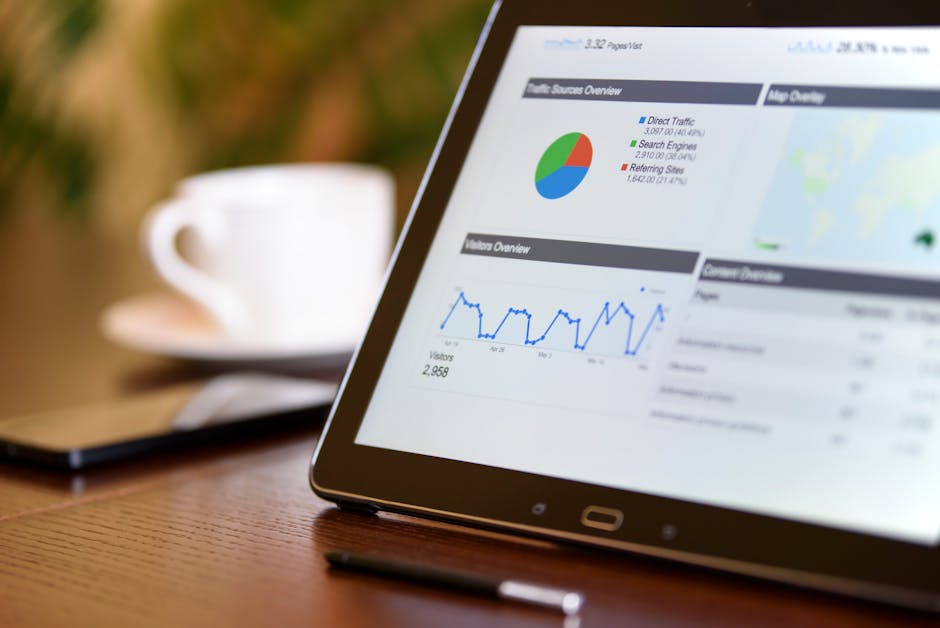
Photo by AS Photography
Three years ago, I watched a founder burn out. She ran a thriving SaaS business but spent 40 hours a month on repetitive marketing tasks—scheduling social posts, sending welcome emails, updating spreadsheets. When she finally learned to automate digital marketing, she got those hours back. Her revenue didn't drop. It climbed 23%.
That's the promise of marketing automation. Not cutting corners, but cutting waste.
Most small business owners think automation means sacrificing authenticity. They picture robotic emails and generic content that screams "template." But done right, automated marketing for small business actually strengthens your brand voice. It handles the repetitive work so you can focus on strategy and genuine connection.
Let me show you how.
Why Small Businesses Need Marketing Automation Now
The data tells a clear story. According to McKinsey research, companies using marketing automation see a 10-20% increase in sales opportunities. For small teams, that edge matters.
Here's what's eating your time:
- Manual email sends and follow-ups
- Social media posting across platforms
- Lead scoring and qualification
- Campaign performance tracking
- Customer segmentation
Each task takes minutes. Multiply those minutes across hundreds of customers and multiple channels—suddenly you're spending full workdays on mechanical tasks instead of creative strategy.
What Marketing Automation Actually Means
Let's clear up confusion. When you automate digital marketing, you're not setting up a robot to spam people. You're building smart workflows that deliver the right message to the right person at the right time—without you clicking "send" every single time.
Think of it like this: You wouldn't manually water each plant in a greenhouse. You'd install an irrigation system that delivers precise amounts based on each plant's needs. Marketing automation does the same for your audience.
The Core Components
Email sequences: When someone downloads your guide, they automatically get a welcome series. No manual sends.
Lead scoring: Your system tracks who opens emails, visits pricing pages, downloads resources. It flags hot leads so you know who to call first.
Social scheduling: Write your content once, schedule it across platforms, and let the system post while you sleep.
Personalization at scale: Insert names, company details, and custom content based on user behavior—automatically.
Building Your First Automated Marketing System
Start simple. Don't try to automate everything on day one. Pick one workflow that wastes your time right now and fix it.
Step 1: Map Your Customer Journey
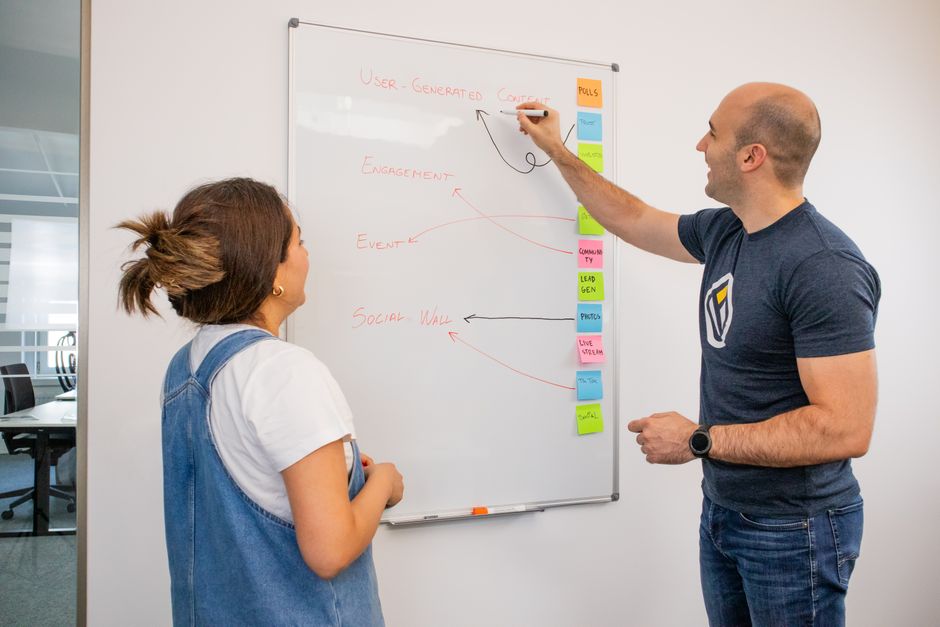
Draw out how people find you and become customers. What emails do they need? What questions do they ask? Where do they get stuck?
For a typical SaaS business, it might look like:
- Visitor downloads free resource
- Receives welcome email with quick win
- Gets educational content over two weeks
- Receives product demo invitation
- Enters trial or books call
Step 2: Choose Tools That Fit Your Stack
You don't need enterprise software. Solid options for automated marketing small business setups include Mailchimp for email, Buffer for social, and HubSpot's free CRM. Pick tools that talk to each other.
I've seen businesses waste months integrating complex systems. Start with one platform that handles email and basic automation. Expand later.
Step 3: Create Your First Workflow
Build a simple welcome sequence. When someone joins your list:
- Send immediate welcome email with promised resource
- Wait 2 days, send helpful tips related to that resource
- Wait 3 days, share a customer success story
- Wait 4 days, make a soft product offer
Write these emails once. They run forever. That's the power of automation.
Real Examples That Work
A nonprofit I advised had 300 donors but sent generic "thank you" emails. We set up automated segments based on donation size and interest areas. Large donors got personalized impact reports. First-time donors got a welcome series. Monthly givers got exclusive updates.
Their retention rate jumped 34% in six months. Same team size. Same budget. Better system.
Another example: An indie founder selling project management templates spent hours answering the same pre-sale questions. We created an automated email course that answered those questions over five days. His support requests dropped 60%. Sales increased because prospects educated themselves before buying.
Avoiding Common Automation Mistakes
Don't automate broken processes. Fix your message first. Automation amplifies what you already do—good or bad.
Don't forget to sound human. Write like you talk. Use contractions. Ask questions. Tell stories. Your automation should feel like helpful emails from a friend, not corporate announcements from a machine.
Don't set it and forget it. Review performance monthly. What emails get opened? Where do people drop off? Adjust and improve.
According to Salesforce data, 67% of marketing leaders use automation platforms, but only 23% feel they're using them effectively. The difference? Regular optimization.
Practical Tips for Better Automated Marketing
Segment ruthlessly. Don't send the same message to everyone. Split your list by behavior, interests, stage in journey. A hot lead needs different content than a cold subscriber.
Test everything. A/B test subject lines, send times, and calls-to-action. Small improvements compound over thousands of sends.
Maintain your brand voice. Create templates, but customize them. Use merge tags for names and details. Reference specific actions people took. The goal is personal feeling at scale.
Build in human touchpoints. Automate the routine stuff, but flag moments where personal outreach matters. When someone hits your pricing page five times, that's a signal for your sales team to reach out personally.
Track what matters. Open rates are vanity metrics. Focus on conversions, revenue, and customer lifetime value. Does your automation drive business results or just activity?
Moving Forward With Confidence
Marketing automation isn't about replacing humans. It's about freeing them to do what machines can't—build real relationships, create compelling content, develop strategy that moves your business forward.
Start with one workflow this week. Map it out. Set it up. Watch it run. Then build another.
You'll get your time back. Your marketing will become more consistent. And your brand voice? It'll come through clearer because you'll have the space to think strategically instead of drowning in tactical tasks.
The founder I mentioned earlier? She now spends those reclaimed 40 hours on product development and customer calls. Her marketing runs 24/7. She sleeps better. Her business grows faster.
That's what happens when you learn to automate digital marketing the right way. You don't just save time—you multiply your impact.
About Dana Willow
Author
Senior Marketer sharing 15 years of marketing wisdom through an AI lens. Teaching founders to automate smarter.